
Indonesian cuisine: A slow traveller’s guide to the hearth of the culture
Indonesian Cuisine: a Journey through Traditional Culture
I could happily eat Indonesian cuisine every single day. It is so full of flavour; it is a vibrant tapestry of spices, fresh ingredients, and genuine passion. In Indonesia, food is the primary language of connection. From the ritual of the morning market to the shared plates of a family gathering, Indonesian cuisine is built on the philosophy of ‘Gotong Royong’, mutual help and togetherness. By slowing down and immersing myself in local kitchens, I have discovered that tasting the culture is the fastest way to truly know the people. Ready to transform your journey into a soul-stirring memory?
Topics


Traditional Indonesian food culture
To me, Indonesian food and culture are a single, aromatic thread. I have found that being open to an explosion of new flavours is the ultimate key to unlocking local life. In my travels, even when I spoke virtually no Indonesian, I was constantly welcomed into the communal fold by a simple invitation to eat. For Indonesians, cooking and socialising are the day’s most sacred rituals, a beautiful lesson in togetherness that I have carried with me long after leaving.
"A shared meal is the most honest conversation you can have with a culture."


Indonesia: The land of spices
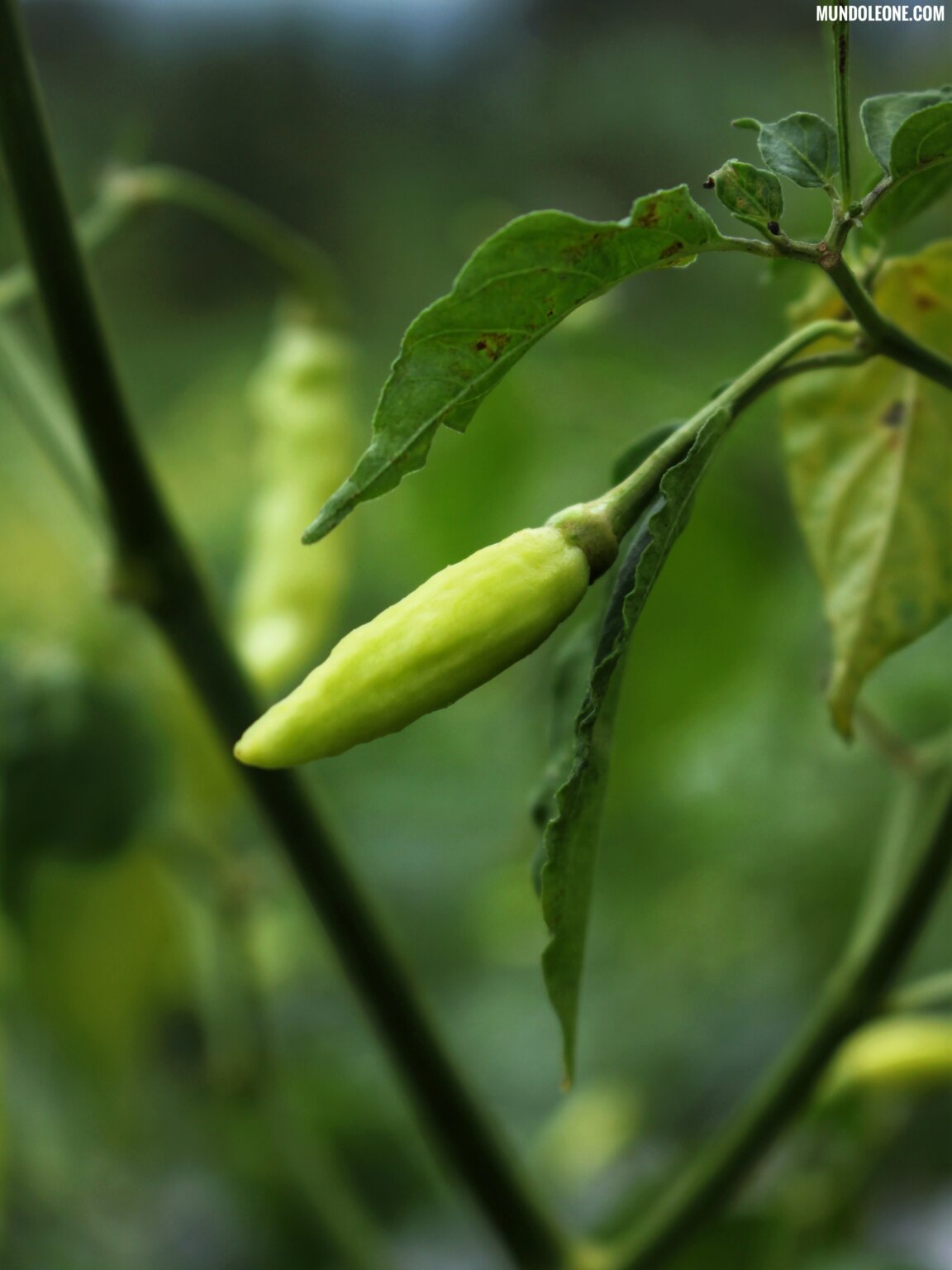
The beauty of Indonesia lies in the accessibility of its aromatics; with roughly 17,000 islands, every region boasts unique culinary specialities. I am often mesmerised by the variety found in local markets. The spice paste basis of most Indonesian cuisine is the ‘bumbu’, a complex paste of fresh galangal, turmeric, garlic, ginger, and chillies traditionally ground by hand with a stone mortar and pestle.


Slow Travel Tip:
Do not just eat the food; find where it begins. Visit a local herb garden to see the 'bumbu' ingredients in the wild. Engaging with a local grower offers a depth of knowledge no guidebook can match. Or visit a local ‘Pasar’ (market) early in the morning to witness the arrival of fresh spices and tropical fruits.


What is the most popular food in Indonesia?
Topping the list is Nasi Goreng, also known as Indonesia’s ‘signature dish’. You can find this delicious dish on just about every street corner. ‘Nasi Goreng’ literally means ‘fried rice’ and is served with vegetables, herbs and pieces of meat, often topped with a fried egg.
The best traditional Indonesian cuisine dishes to try
Beyond the staple grain, there are some traditional dishes that I believe represent the pinnacle of the country’s culinary identity:
- Gado Gado: A fresh vegetable salad smothered in rich peanut dressing.
- Satay: Skewered grilled meats served with peanut sauce.
- Ikan Bakar: Grilled fish, known for its spicy-sweet glaze and aromatic marinade.
- Soto: A traditional soup that varies wildly from island to island.
- Pepes Ikan: Delicate fish steamed in banana leaves.
- Nasi Campur: A “tasting plate” of the region featuring a scoop of rice surrounded by various meats and vegetables.
- Nasi Padang: The ultimate rice feast with spicy side dishes (see my tip below).


My favourite Indonesian dish 🙂
I simply cannot get enough of Beef Rendang. So much flavour and love, you can really taste it all in that tender piece of meat. Beef Rendang is a rich Indonesian curry dish in which beef is slowly cooked for hours in coconut milk and spices until the liquid has evaporated and the meat caramelises. It is known for its tender texture and intense, aromatic flavour, thanks to ingredients such as lemongrass, laos, ginger, brown sugar and chilli. As I always say, quality takes time 😉
Mundo Leone Tip:
Search for "Nasi Padang" on Google Maps. This West Sumatran style involves a mountain of white rice served with a variety of rich, spicy side dishes like rendang, curried fish, stewed greens and sambal. It is ubiquitous across Indonesia and consistently delicious.

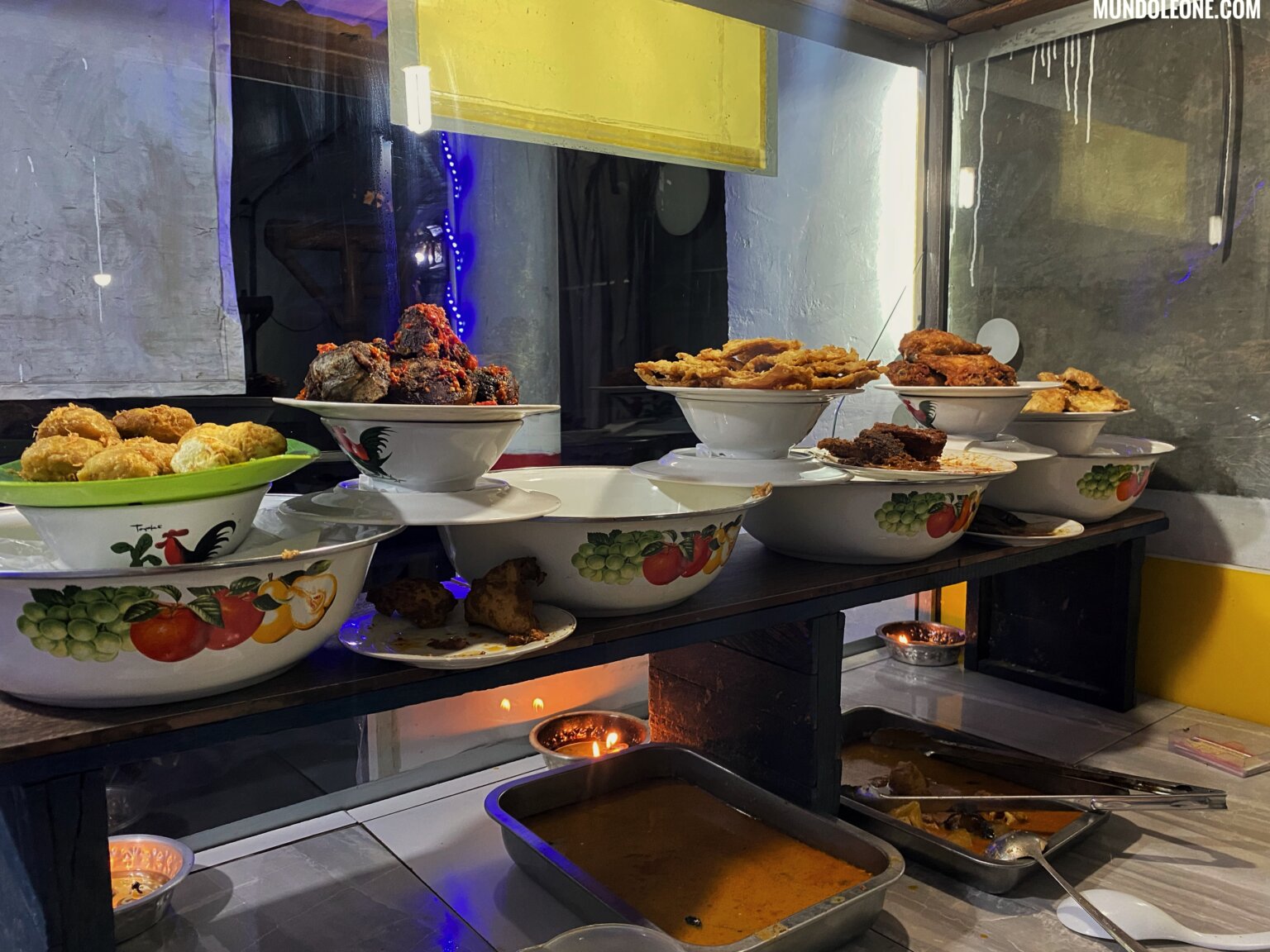
What is a Warung? Culture and traditions
Found even in the most remote corners, the warung is the heartbeat of Indonesian daily life. But what exactly is a warung? It is a simple family-run business, usually a modest shop or a casual eatery attached to a home. However, for a slow traveller, it is so much more. It is where I go to disappear into the local lifestyle. Forget fancy decor; expect mismatched plastic chairs and the hum of a rusted fan. The “Ibu” (mother) running the kitchen usually cooks what she knows best, serving recipes passed down through generations.


Is warung food safe to eat for tourists?
While Indonesian cuisine is generally safe, mindfulness is key. If you are just starting your trip, let your stomach adjust before diving into the most rustic spots. Personally, I have eaten in countless warungs without a single negative experience. Use your intuition: eat where the locals flock and check Google reviews. When in doubt, opt for cooked vegetarian dishes over raw vegetables.
Mundo Leone Tip:
My rule of thumb? Follow the locals. If a warung is bustling at noon, the turnover is high and the food is fresh. I usually look for an "open kitchen" where I can see the steam; heat is your best friend when it comes to food safety. Most importantly: lower your expectations of luxury and raise your expectations of flavour. Only then you will experience the real Indonesia.


Why warungs are the heart of culture in Indonesia
I believe that if you only eat in restaurants with English menus, you are missing the real Indonesia. The warung is a social equaliser. You will see businessmen in batik shirts sitting next to labourers, all hunched over the same delicious sambal. It is a place for “Nongkrong” the Indonesian art of hanging out and doing nothing in particular. Although they do not exactly look like idyllic tourist spots, a warung is incredibly kind to your wallet; a plate of Nasi Goreng often costs less than €1.50.
Mundo Leone Tip:
Pick up a few different local snacks (jajanan pasar) at a warung. They cost next to nothing, and the vendors love helping you choose. It is the fastest way to start a conversation.


How to find authentic warungs?
Usually, the queue tells the story; if locals are lined up, the food is exceptional. I cross-reference my intuition with Google Maps reviews. Nine times out of ten, the most unassuming spots deliver the most authentic flavours.
Slow Travel Tip:
Look for a Warung Tegal (Warteg), identifiable by the glass display cases filled with Javanese dishes. If you see a place where the locals are lingering long after their plates are empty, you have found a winner.

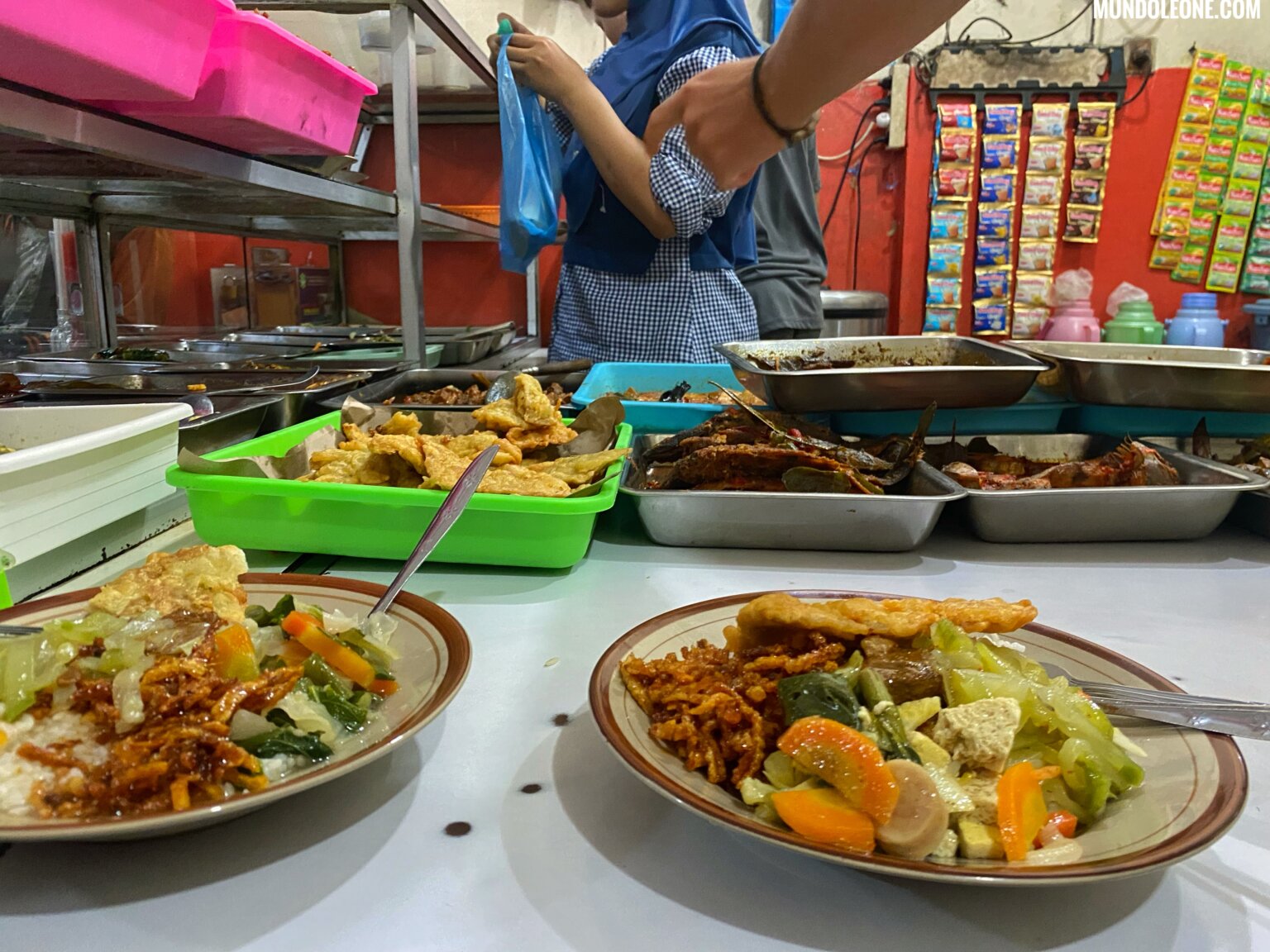
A guide to eating street food in Indonesia
One of my absolute favourite things about Asia is really savouring street food. In Indonesia, I fully embrace the ‘slow’ approach: I can get completely absorbed in watching the vendor prepare the food, enjoy the theatre of the sizzling wok, and eat with my hands (makan pakai tangan) if the locals are doing so. It always amazes me how they can conjure up such a sumptuous meal from a tiny stall.
Checklist for safe street food in Indonesia:
To enjoy street food in Indonesia like a seasoned traveller, keep this mindful checklist in mind:
- Follow the crowds: Always eat where the locals eat and stick to local mealtimes. High turnover ensures the freshest ingredients.
- Look for specialists: Do they specialise in just one or two dishes? Then you are usually in safe hands. Fewer options usually mean higher quality and fresher stock.
- The power of heat: Choose dishes prepared right before your eyes. Ideally, eat meals served piping hot, as heat is the best way to kill unwanted bacteria.
- Mind the money: Check if the vendor handles cash and food simultaneously. Ideally, a second person handles the money, or the chef takes visible precautions.
- Peel it yourself: Avoid pre-cut fruit and salads. In a tropical climate, these can be breeding grounds for bacteria and may have been washed in tap water.

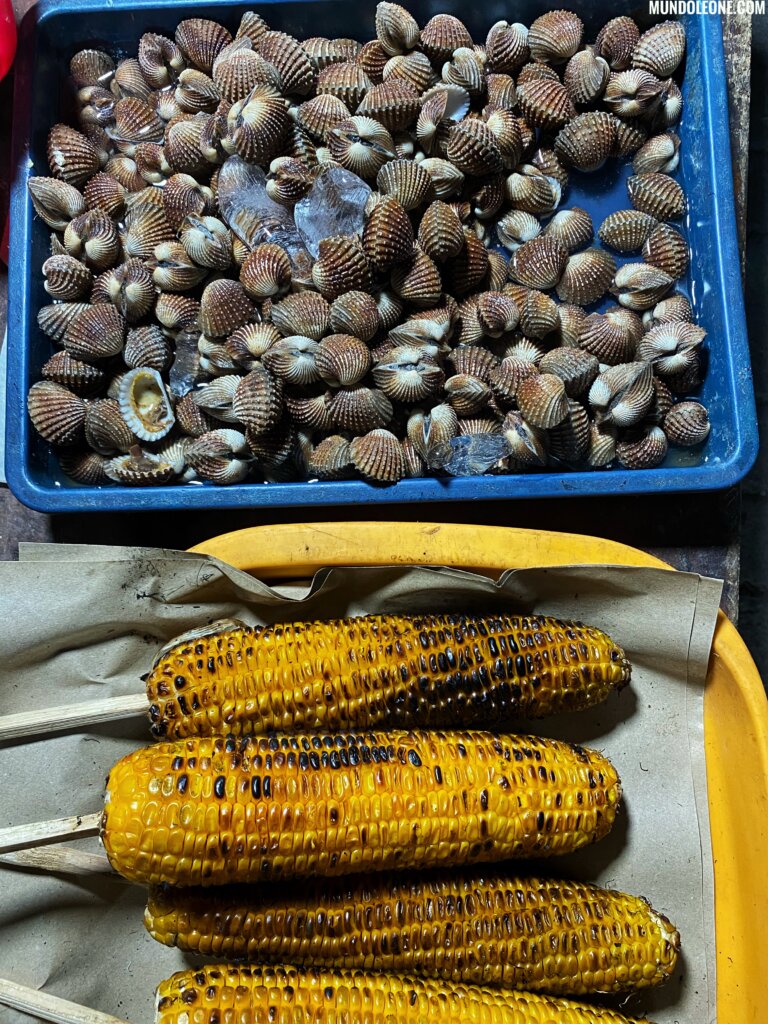

What is the most popular street food in Indonesia?
If you want to experience the true breadth of Indonesian cuisine, these street-side staples are essential in my opinion:
- Siomay: A steaming plate of fish dumplings, tofu, and bitter melon, drenched in spicy peanut dressing.
- Pisang Goreng: The ultimate snack; bananas battered and deep-fried to golden perfection.
- Martabak: A thick, stuffed pancake that comes in two versions: savoury (egg and meat) or sweet (chocolate, nuts, and cheese).
- Tahu Bulat: Round, hollow tofu balls that are deep-fried until they are impossibly crispy.
- Batagor: Fried fish dumplings and tofu, a crunchy Bandung speciality.
- Gorengan: all kinds of fried food, the ultimate snack to enjoy together.
- Risoles: A nod to the Dutch croquette, these are deep-fried savoury patties filled with meat and vegetables.
- Cimol: Deep-fried tapioca balls until crispy on the outside and chewy on the inside. Addictive and distinctly local.
Mundo Leone Tip:
In my opinion, Bandung is the culinary capital of Indonesia. Head to the Lengkong Night Street Food Market to truly indulge your foodie heart. ❤️


Coffee culture in Indonesia: The ritual of the 'Kopi Warung'
Indonesian coffee culture is steeped in history, dating back to the 17th century when Dutch colonists first introduced coffee plants to the archipelago. Today, Indonesia is the world’s fourth-largest producer, with over 90% of its output consisting of Robusta and Arabica coffee beans. While modern cafes are popping up, nothing beats the authenticity of a roadside Kopi Warung.
Slow Travel Tip:
To experience coffee at its most authentic, order a Kopi Tubruk. It is served thick, black, and unfiltered. The "slow" part? You must wait patiently for the grounds to settle at the bottom. This ritual is the ultimate slow travel experience; it forces you to sit down and simply be in the moment.


Slow travel mindset: melt into the culture
My philosophy is simple: slow down, experience more. When you take a seat at a warung, put your phone away. Listen to the cadence of the Bahasa being spoken around you. By choosing a warung over a commercialised eatery, you are making a mindful choice to support a local family and immerse yourself in the authentic daily life of Indonesia.
Stepping outside your comfort zone and observing the local rhythm is the only way to truly connect. In no other country have I been invited so frequently by strangers to share a meal.
"True immersion begins where the English menu ends and the shared sambal starts."


Learn a few words of Bahasa
A few words go a long way in building a connection. Indonesians are incredibly friendly and will appreciate the effort!
- Greetings: Selamat pagi (morning), siang (afternoon), and malam (night).
- Bon appétit: Selamat makan!
- The fruit basket: Pisang (banana), nanas (pineapple), pepaya (papaya), mangga (mango), salak (snake fruit) and manggis (mangosteen).
- Snake fruit features a scaly, brown skin and a crunchy, sweet-tangy flavour.
- Mangosteen is a thick, dark purple rind hides soft, sweet-tart white segments.
- The conversation starter: Apa kabar? (How are you?) or Siapa nama? (What is your name?)
- The “slow travel” joke: If a local asks where you are going (and they will!), you can answer with “Saya akan…” (I am going to…). In Indonesia, people often ask your destination simply as a friendly way of saying hello.


"Cheat sheet" for ordering in Bahasa Indonesia:
- Saya mau…: I would like…
- Tidak pedas: Not spicy
- Sedikit gula: A little bit of sugar
- Satu, dua, tiga, empat, lima: 1, 2, 3, 4, 5
- Terima kasih: Thank you


Is Indonesian food popular in the Netherlands?
Because of the shared colonial history, Indonesian cuisine is deeply rooted in Dutch culture. The ‘rice table’ is a Dutch-Indonesian fusion dish that I absolutely love. It is an elaborate meal consisting of dozens of small dishes. Although it is not ‘authentic’ compared to how Indonesians eat at home, this is an Indisch phenomenon, devised by the Dutch.


Share with your friends on
socials...
WhatsApp
Facebook
Pinterest
Excited about what you have read?
Support me by booking through the links in my articles. Your backing is deeply appreciated, this way I can continue to share my travel information with you. Thanks for your friendly & lovely heart! ❤️
Last update: 01-05-2026 © Doris Leone

Doris Leone
I’m Doris, a slow travel specialist. During my 1.5-year journey through Asia, I discovered that travel is not about the distance covered but the lasting impact a place leaves on you. I’d love to inspire you to enrich both your travels and your life. Slow down, experience more.
Join me on socials for a dose of
inspiration!
Discover more
articles


