
How to Slow Travel: The Ultimate Guide to Mindful & Meaningful Journeys
The Slow Travel Mindset: Dismantling the Myth of Time
The most persistent myth about slow travel is that you need to have months off work or those with a boundless budget. From my experience, I can reassure you: this is simply not true. The secret lies in a willingness to be present. It is about choosing to exchange the hectic checklist for an authentic conversation at a local bakery and trading the quick snapshot for a truly unforgettable connection with a place. Whether your journey spans two weeks or two months, this guide reveals the blueprint to authentic immersion. Are you ready to truly know a destination’s soul? Follow these steps to unlock the secrets of slow travel.
Topics


What is Slow Travel?
Slow travel is an intentional philosophy that prioritises deep immersion in a location over rapid sightseeing. At its core, it means choosing quality over quantity, allowing time for spontaneous discovery, and using local transport to truly savour the journey. Ultimately, it turns a hectic trip into a real experience where you actually live at the same pace as the locals.
The Mundo Leone Philosophy
I believe that slow travel contributes to a healthier, more mindful lifestyle. Connecting with locals allows you to learn about the culture, which has enriched me as a person in terms of knowledge and health. In many Western cultures, we experience intense work pressure. My own slow journeys revealed how intensely Western work pressure can affect us; staying with locals in homestays offered me a profound insight into my own stress levels. Looking beyond your own culture brings so many wonderful things; it ensures that your memories are not just fleeting moments but enriching, long-lasting experiences.
"Exchange the hectic checklist for a life-changing local connection."


Why slow travelling is the best way to travel
Slow travel is often framed as an alternative, but I believe its power takes you deeper than any usual holiday. By deliberately opening yourself up to local culture, you transform an ordinary trip into a profound, life-altering experience. Below are five definitive reasons why swapping the rushed tourist trail for a slower pace will fundamentally enrich your view of the world.


The 5 life-changing benefits of slow travel
1. Experience authentic immersion, not just sightseeing
By opening yourself up to the local culture, you create an authentic connection that makes you truly involved in the community. For example, my partner and I walked through the rice terraces of Tetebatu in Lombok without a guide, which led to us being invited by residents for a cup of coffee. In the end, we were invited to stay for lunch and were shown how they cook. A first-hand cooking experience and enjoying the food together was a way to experience how the locals really live. For me, these are memories that go beyond seeing the highlights.
Slow Travel Tip:
Learn the local greeting, and always ask permission before taking a photo; in most cases, they will be delighted!
2. Forge deeper connections with people and plate
A core advantage of slow travel is the time it grants to build local relationships. By staying put, you forge lasting connections, leading to the discovery of traditional dining experiences and hidden gem restaurants known only to locals. Asking to help in the kitchen when visiting people’s homes is an invaluable way to truly immerse yourself in local life through its cuisine.
“This level of cultural immersion offered me new habits and perspectives that encouraged my personal growth, embodying the essence of the ‘slow down, experience more’ philosophy.”


3. Wild discoveries: immersive exploration of off-grid destinations
The luxury of slow travel is the ability to dictate your own pace. By committing to just one or two activities per day, you create crucial room for the spontaneous and the unexpected. This strategic freedom allows you to effortlessly venture off the beaten path and immerse yourself in authentic, unspoilt landscapes. It allows you the time to explore a promising backstreet or walk further afield, leading to the discovery of unique places, from hidden trailheads to that local bar where you meet only residents.
4. Rediscover calm: the mindful approach to travel
In an era of intense pressure, slow travel offers a powerful antidote. As many travellers return feeling exhausted, having to “recover” from their trip, the slow travel philosophy grants you the peace and space to fully embrace the present moment. This deliberate practice allows you to let go of external stress and restore your inner balance, ensuring you return home refreshed, not depleted, even while travelling.


5. Become a confident, conscious, and responsible explorer
The benefits of slow travel extend far beyond your journey; they transform you. By consciously seeking out authentic experiences and opening yourself up to spontaneous encounters, you naturally become a more confident and conscious explorer. This deep dive into local culture teaches you new things, ensuring your growth and guaranteeing a lasting positive impact on both your life and the communities you visit.

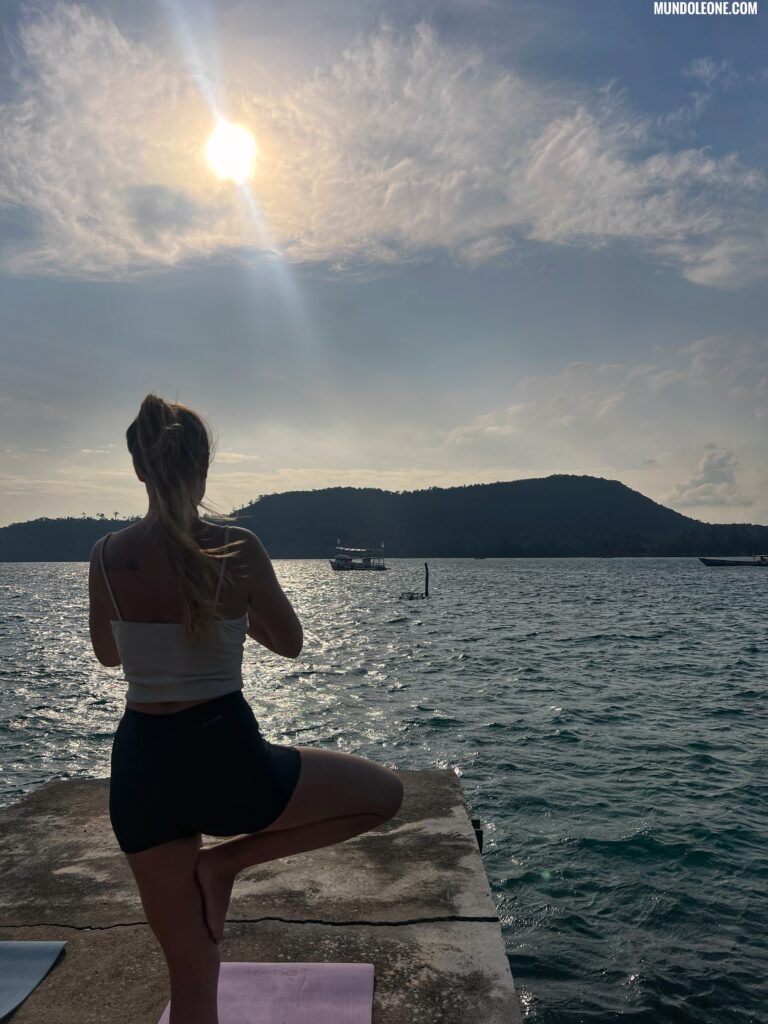

The 10 steps to becoming a slow traveller
Ready to put the philosophy into action? This 10-step blueprint is your complete roadmap.
#1 Stay longer in one spot
Do you truly want to sample the local culture? My golden tip is this: stay longer in one place. Plan for a minimum of 5 to 7 days, and you will immediately see the stress of constant packing and the burden of daily planning melt away. Your luggage remains unpacked, and you open yourself up to spontaneous experiences. Let go of ‘FOMO’ (fear of missing out), because by staying longer, you absorb the destination on a far deeper level. Grant yourself that depth of experience and enjoy it; after all, you are not on the summit of Mount Rinjani every day!
#2 Avoid over-planning your trip
The checklist mentality is the enemy of slow travel. Resist the urge to schedule every day and keep at least 20% of your trip open for spontaneous discoveries. If you are travelling for longer than a month, plan as little as possible. Too much planning, both before and during your trip, only leads to stress. Consider a three-week trip through Thailand: by spending more time savouring a destination, you give yourself space. For me, this meant spending longer in Chiang Mai and Pai, allowing me to let go of Chiang Rai and the ‘checklist’. This freedom allows you to follow local recommendations and explore unexpected backstreets that lead to true hidden gems. Spontaneous discoveries often become the best memories.


#3 Choose your base camp wisely
Your accommodation is your temporary home and your gateway to culture. Consciously opt for local homestays or guesthouses run by residents, rather than large international hotels. By staying with local people, you gain direct insight into their daily lives. This is the simplest way to forge deeper bonds and intensely feel the ultimate slow travel experience.
Slow Travel Tip:
Grab your bread from the bakery, your fruit from the stall on the corner, and your coffee from the local café. You will be recognised more quickly and greeted as a ‘familiar face’.
#4 Travel slowly: use local transport
The journey itself is the experience! Avoid quick internal flights and choose trains, local buses, or rent a scooter. Travelling slowly allows you to calmly observe the landscape, make contact with fellow passengers, and appreciate the cultural shifts along the way. For example, my partner and I once met a local family in Sri Lanka, which resulted in a lasting friendship we still maintain today.


#5 Pack light, stress less
By employing a minimalist packing strategy, you immediately support the slow travel mindset. Travelling light reduces stress and makes you more agile for every mode of transport; that large suitcase is often too much for a local ferry! Utilise smart carry-on deals to save time at the baggage claim and save money. In short: less choice anxiety and more room for handmade souvenirs.
Slow Travel Tip:
Less baggage equals maximum freedom.
#6 Budget: invest in experiences
Slow travel often saves you money, which you can reinvest in local, educational experiences. Think of a cooking class with a local, a walking tour or cycling through the countryside instead of expensive, luxury day tours. You trade luxury services for authentic immersion. This is how you collect rich, memorable experiences that give you more genuine value than any overscheduled, expensive itinerary.
Did you know that...
By consciously choosing local homestays or activities, you ensure your travel spend is directly reinvested into the local community. This is how slow travel creates a positive, lasting impact.


#7 Define your discovery focus
Before you arrive, consider what aspect of the destination’s soul you want to explore most deeply: is it the local food, nature adventures, or the hunt for hidden gems? Defining a focus (or two) prevents the overwhelmed feeling of needing to see everything. This intentionality helps you structure your slow days around meaningful discoveries.
#8 Embrace the unexpected approach
Be open to the unexpected and let go of that packed itinerary. Be receptive to change: if a local invites you, say yes. Or, what if the weather throws a spanner in the works? Then seek out a local café and simply observe local life. The most beautiful and valuable memories arise precisely outside the boundaries of your original plan.
Slow Travel Tip:
Sit down on a bench or wall somewhere and do nothing for the first 10 minutes. No phone, no camera. Just look and take in your surroundings. Take a step back and you will see how local life slowly reveals itself to you.


#9 Seek true local flavour
Food is my favourite and the quickest route to culture! Take the time to look further than the restaurants on the central square. Ask your host for their favourite places, look for local reviews on Google Maps, or search for small, family-run eateries and street food stalls with low chairs. This is how you taste the authentic flavour of the destination.
Slow Travel Tip:
Challenge yourself! Learn the names of three local dishes and order them in the local language at the restaurant. Most locals highly appreciate that you take an interest in their cuisine!
#10 Digital detox and reflection
To truly connect, you must occasionally disconnect. Schedule time daily or weekly to put the phone away and reflect. Keep a travel journal, or use your camera to take mindful photographs; this deepens your memories. Fleeting moments are converted into lasting lessons, ensuring the profound benefits of slow travel are truly integrated into your life.


Awareness: The invisible footprint of immersion
Of course, there is a flip side to slow travel. Through this guide, I want to help you understand both the pros and the cons. Even when we live simply and respect the land, our presence has an influence. It is important to realise that immersion comes with a responsibility.
Slow travel vs. sustainable travel: what is the difference?
Slow travel focuses on pace, immersion, and personal experience, whereas sustainable travel encompasses a broader impact on the climate, economy, and nature. While they often overlap, slow travel is about how you experience a journey, while sustainability is about the footprint you leave behind.


Cultural impact
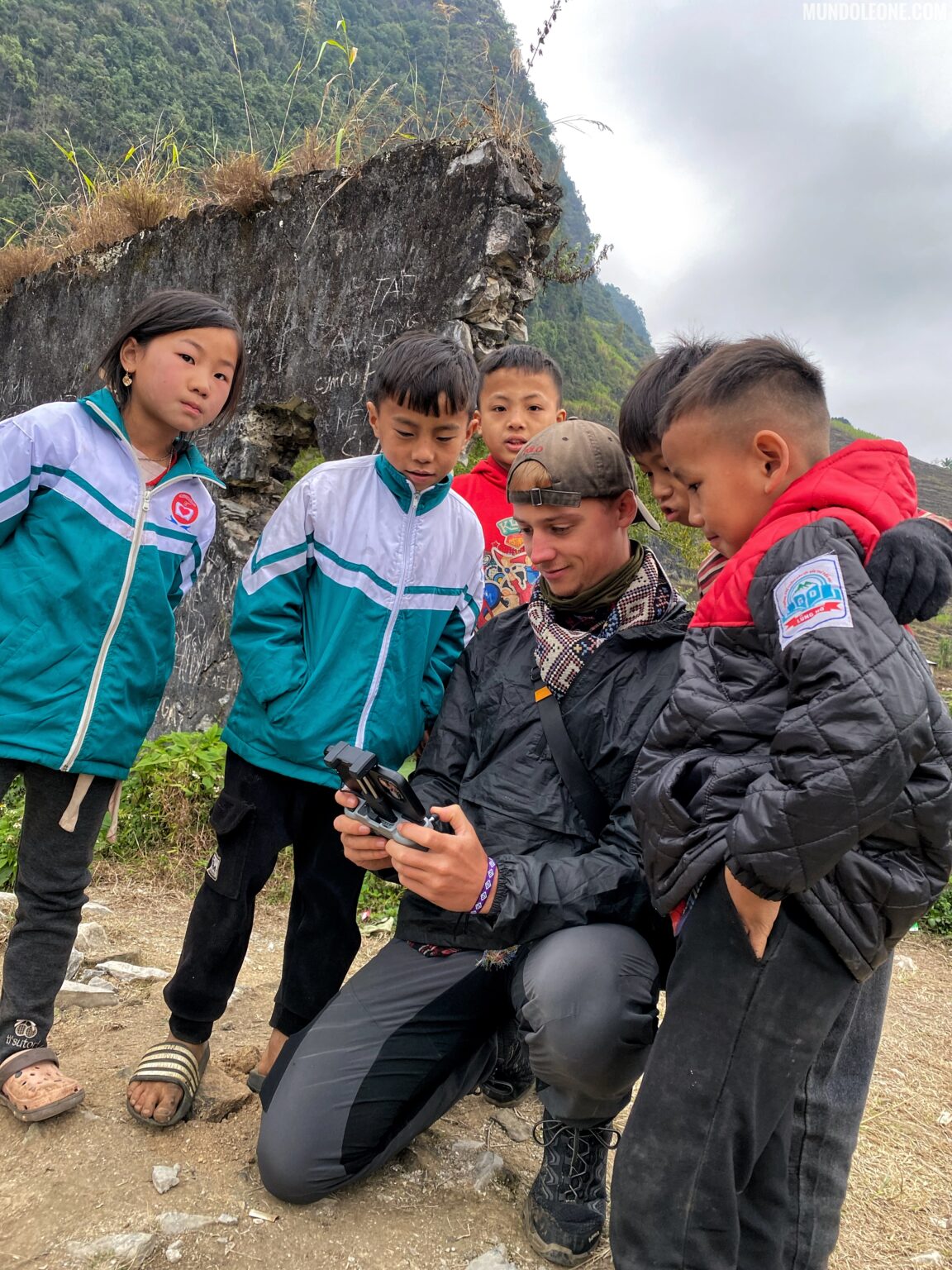
Your long-term presence can unintentionally lead to dissatisfaction among local youth regarding their traditional way of life. They see a traveller who has the “freedom” to explore for months on end. Even if you live modestly, the fact that you chose this life can create a sense of discontent among local youth toward their own traditional, agricultural, or local livelihoods. This can unintentionally accelerate rural flight, as the younger generation leaves for the cities, which in turn weakens the very culture you admire so much.
“Our presence must empower rural communities, not accelerate rural flight.”

Waste management in remote areas
Staying for long periods in regions with water scarcity puts continuous pressure on limited local energy and water supplies. Remote villages often lack the infrastructure to process even the minimal amount of waste produced by long-term visitors. This means your packaging and toiletries often remain permanently in fragile ecosystems that cannot absorb them. Even when you are careful, the packaging from essentials, such as medicine or toiletries brought from home, stays in that community forever.
Want to contribute to sustainability as a slow traveller?
- Conserve resources: Minimise your water and energy consumption, especially in drought-prone or remote areas.
- Leave no trace: Take your non-biodegradable waste (such as batteries and plastics) back with you to larger cities.
- Respect local heritage: Value local traditions to prevent social friction and to help maintain rural communities and their cultures.


Practical application and next steps
Now that you understand the essence of slow travel, the goal is to apply these principles naturally so you can simply enjoy the journey. By letting this mindset flow effortlessly into your trip, you create a more meaningful connection with the world around you.
Slow travel in action: Inspiring real-life examples
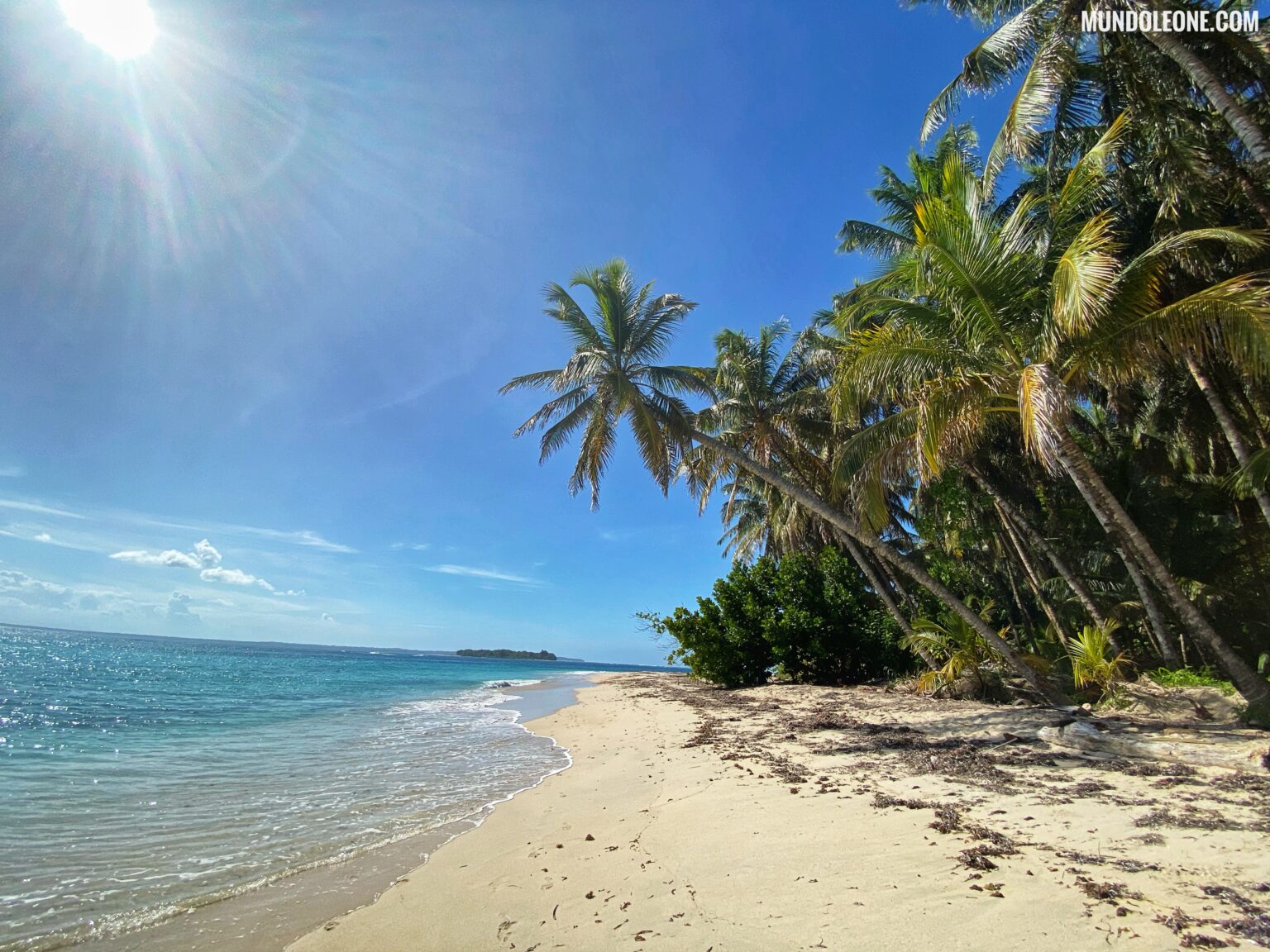
To truly embrace the value of slow travel, explore the stories on my dedicated slow travel page. From the laid-back islands of Panama’s Bocas del Toro to the hidden charm of Southern Spain, I share exactly how to immerse yourself fully. My greatest lesson remains:
“True luxury is found in a shared meal and a local story, not within the walls of a distant resort.”

Top resources for the slow traveller
- Worldpackers: The ultimate slow travel app. Exchange your skills for a long-term stay at local projects for an unforgettable experience. Use code DORIS for $10 off.
- Eatwith: Since the soul of a country is found through its food, use this to book dinner at a local’s home.
- iNaturalist: Identify flora and fauna to feel more connected to the landscape while contributing to citizen science.
- DeepL: Superior for capturing linguistic nuances, helping you build deeper, more meaningful connections with locals.
- Withlocals: Skip the tourist traps and discover hidden gems through the eyes of a local guide.
FAQ About Slow Travel
1. Is slow travel expensive?
Paradoxically, slowing down saves money. You secure long-stay discounts, reduce transport expenses, and eat where locals do. By avoiding tourist traps, you focus your budget on depth and authentic connection. In short: slow travel is mindful, affordable travel.
2. Do I need months of holiday time to be a slow traveller?
Absolutely not. Slow travel is a mindset, not a timeframe. You can apply these principles to a one-week trip by choosing one base instead of three. The goal is to trade the checklist for connection, focusing on the quality of your experience rather than the quantity of sights.
3. Is slow travel sustainable?
They overlap, but slow travel focuses on pace. Choosing buses and low-season travel reduces your footprint and supports locals, but long-term stays have hidden impacts. Learn how to travel responsibly in my section on “Awareness: The invisible footprint of immersion.”
4. How do I find "Hidden Gems" without a guide?
The secret to finding hidden gems is patience and curiosity. Start by asking your host for their favourite local spot, or spend an afternoon wandering without a map. When you take it slow, you notice the small details that rushed travellers often overlook.


The mindset of a slow traveller: Shifting from tourist to explorer
You now have the tools for authentic immersion. Forget the pressure of the tourist route and the myth of needing endless time. Start where you are, with the time you have. Slow down, experience more, and let your journey become truly meaningful.
"What is the one place where you want to slow down first?"


Share with your friends on
socials...
WhatsApp
Facebook
Pinterest
Excited about what you have read?
Support me by booking through the links in my articles. Your backing is deeply appreciated, this way I can continue to share my travel information with you. Thanks for your friendly & lovely heart! ❤️
Last update: 23-01-2026 © Doris Leone

Doris Leone
I’m Doris, a slow travel specialist. During my 1.5-year journey through Asia, I discovered that travel is not about the distance covered but the lasting impact a place leaves on you. I’d love to inspire you to enrich both your travels and your life. Slow down, experience more.
Join me on socials for a dose of
inspiration!
Discover more
articles


