Top 10 Facts of Dublin
10 Interesting facts of Dublin
Curious about the fascinating origins of Dublin, the rich tapestry of its language, and eager for a glimpse into the captivating facts that make this city truly special? Get ready to dive into the top 10 must-know facts of Dublin! From its vibrant beginnings to its unique cultural quirks, there is so much to uncover about this incredible, friendly city!

1. Vikings found Dublin
Dublin was once founded by the Vikings around the year 988. Its original name is “Dubh Linn”, meaning “black pool”, because of the dark waters of the river Liffey. Surprisingly, you will find remnants of some of Dublin’s original Viking defences in Dublin Castle. Part of the defences have been preserved within the castle’s round walls.

2. Street signs in Gaelic - Top 10 facts of Dublin
English and Gaelic are the official languages of Ireland, in Dublin city you will see both languages on street signs. During a ride on public transport, the next stop will be indicated in both languages. In Dublin, people generally speak English.

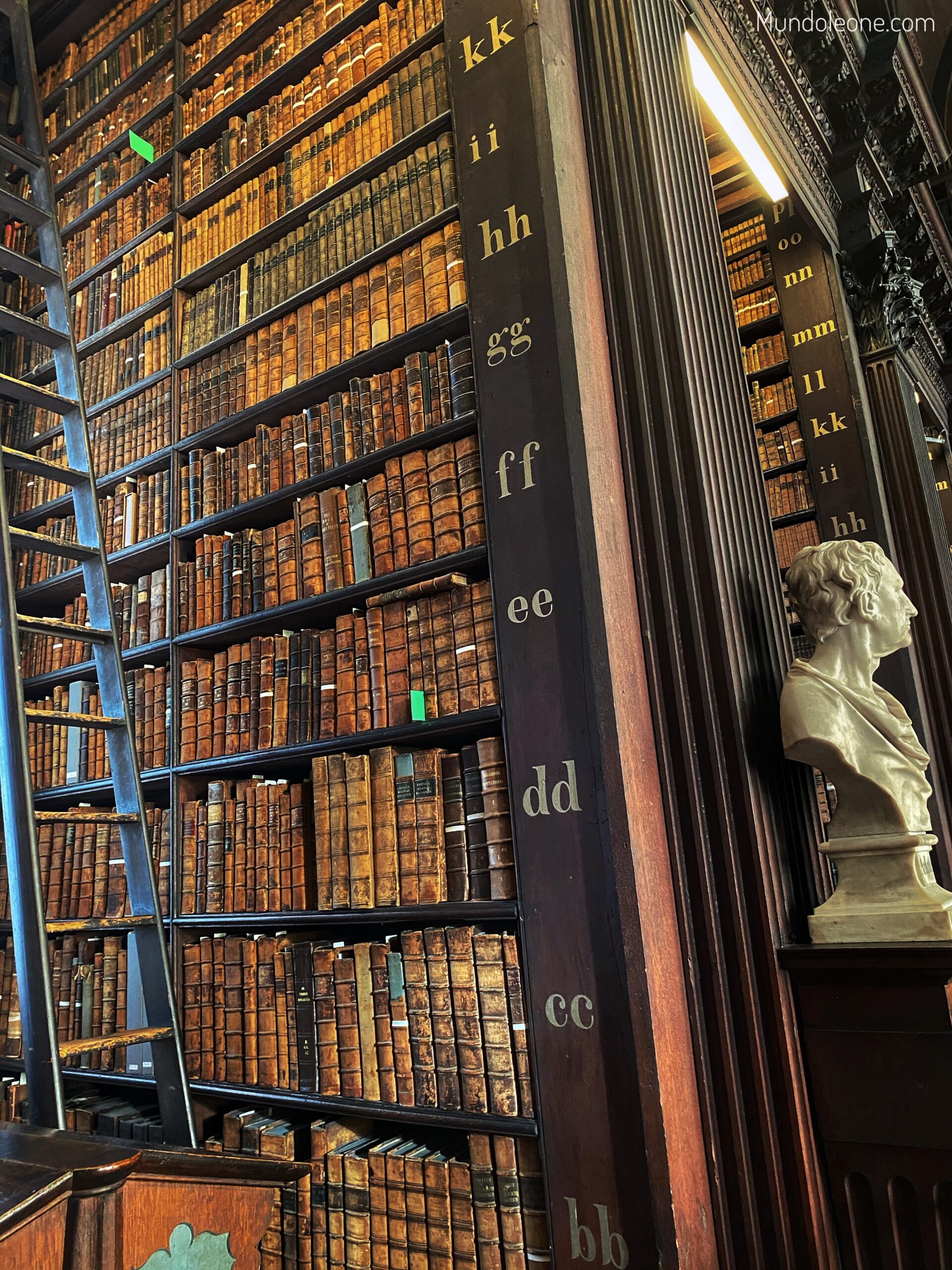
3. The Book of Kells dates to the early Middle Ages
Around the year 800, the Book of Kells was written by Celtic monks. The capital letters of the script are huge and marvellously decorated. Several kinds of ink were used, which came from different areas, such as the Mediterranean and north-eastern Afghanistan.


4. Speedy Luas
Luas is one of the public transport options in Dublin (the tram) and means speed in Gaelic. If you are curious about the transportation options in the city from the airport, check out my Dublin online travel guide.

5. Friendliest city in Europe - Top 10 facts of Dublin
Dublin has been ranked the friendliest city in Europe by Tripadvisor several times. When visiting Dublin, get ready to experience the genuine warmth and friendliness of Dubliners! With their welcoming smiles and eagerness to help, navigating the bustling streets becomes a breeze. And what better way to immerse yourself in the lively atmosphere than by striking up a conversation with the locals? So, make sure to head to an Irish pub, where the tales flow as freely as the drinks!

6. Low-rise buildings in the city
Chiefly, you will find low-rise buildings in the city, there are not many high buildings in Dublin. Apparently, the city has strict restrictions for this, because high buildings are not beautiful according to them. In my opinion a perfect way of thinking, let the city sparkle with its low rise buildings!

7. Saint Patrick
Saint Patrick’s Cathedral is dedicated to a saint of Ireland, named Saint Patrick, after whom the bank holiday’s Saint Patrick’s Day is named. Legend has it that he brought Christianity to the island and made the clover fashionable. The holiday commemorates the death of St. Patrick and has been celebrated for many years.


8. Favour me a pint please?
A pint (half-litre beer) is quite normal to order, hardly anyone drinks smaller beers in Dublin. A glass of wine is generally quite expensive. So, beer lovers, you can indulge yourself to the top!

9. Irish meals are amazing - Top 10 facts of Dublin
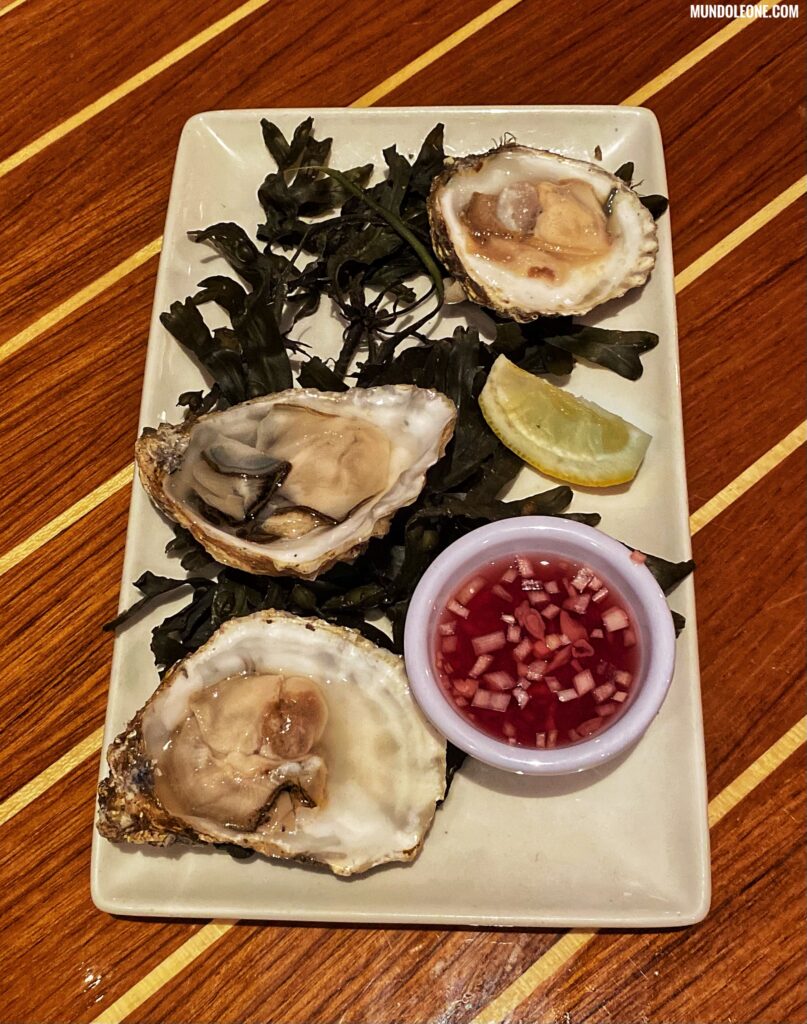
Surprisingly, food on the other hand is not very expensive, in an Irish pub you can order typical Irish meals for about €15,-. Trust me, you will fall in love with Irish stews. They are typically made with lamb or beef, potatoes, onions, carrots, and sometimes other vegetables such as celery. It is cooked slowly in a broth until the meat and vegetables are tender, resulting in a hearty and flavourful stew. In addition to the stews, they also have a variety of seafood, which really tastes amazing here. Make sure to visit the seaside town of Howth and try some seafood at a restaurant, the fish is really fresh.

10. Free museums
Many museums in Dublin are free, such as: Archaeology – National Museum of Ireland and Decorative Arts & History. The Botanic Gardens of Ireland are also free to visit.

#Bonus fact - Top 10 facts of Dublin
Ireland has a special flag with a lovely meaning, as the colours stand for the following:
- Green, which is a hugely popular colour among the Irish, represents the older Gallic tradition.
- White represents peace between the two colours.
- Orange, which connects with the Dutch, stands for the followers of William of Orange.

Share with your friends on socials...
Last update: 15-03-2024 © Doris Leone

‘Un abrazo’ and maybe we will see each other one day; Doris Leone