
The Ultimate Ha Giang Loop Map & 4-Day Mindful Itinerary (2026)
Why slow travel is the secret to experiencing Ha Giang
Are you ready to embark on a journey that will stay with you? If there is one epic adventure to crown your Vietnam itinerary, it is undeniably the Ha Giang Loop. But here is my secret: the magic of these mountains is not found in how fast you can conquer them but in how deeply you let them change you. Using my detailed Ha Giang Loop map, I want to show you why a 4-day mindful itinerary is the absolute minimum for this region. When my mother joined my partner and me on this journey, we quickly realised that rushing would be a disservice, not just to ourselves, but to the incredible local communities that call these peaks home. By slowing down, we moved beyond being mere spectators to becoming mindful guests. Ready to discover the soul of Northern Vietnam? Let’s dive into the ultimate guide to the loop.
Topics


Ha Giang travel guide: How to get here?
Before you can lose yourself in the scenery, you need to find your way to the starting line. Fortunately, reaching this remote corner of the world is part of the adventure. Direct sleeper buses run daily from Hanoi to Ha Giang city. The loop itself takes you deep into the heart of the region, through remote villages where Vietnam’s Indigenous ethnic groups have lived for centuries. To ensure your journey starts smoothly, I highly recommend booking your bus tickets online in advance to secure your spot. Trust me, you will want a window seat for that first glimpse of the limestone karsts!


Essential Ha Giang Loop map: planning your route
Our route was nothing short of spectacular; we managed to see absolutely everything we had hoped for and more. To help you navigate this labyrinth of beauty, I have crafted a Ha Giang Loop map that is more than just a set of directions. It is a visual promise of the adventure ahead. This map highlights the overnight stops during the 4-day loop and the daily distances that allowed us to remain mindful of our surroundings. As you follow this route, you will wind through towering mountains, lush rice terraces, and remote hamlets, occasionally catching a glimpse of the Chinese border shimmering in the distance.


How many kilometres? Finding your pace in the mountains
To truly ‘experience more’, you must find a rhythm that allows for spontaneity. Here is the 4-day route we followed through the mesmerising Ha Giang region:
- Day 1 | Ha Giang – Yen Minh: 110 km
- Day 2 | Yen Minh – Dong Van: 115 km
- Day 3 | Dong Van – Du Gia: 100 km
- Day 4 | Du Gia – Ha Giang: 90 km
While these distances may look substantial on paper, remember that mountain kilometres are different. They are measured in gasps of awe and pauses for Vietnamese coffee or tea. We made sure to take plenty of breaks, and your Easy Rider will always be happy to pull over if a particular view catches your eye. We enjoyed daily lunches of North Vietnamese delicacies, and our mornings and evenings were spent sharing stories over family dinners at our homestays.

Is the Ha Giang Loop dangerous? Safety first with a slow approach
It is a question that lingers in the mind of every conscious traveller: ‘Is the Ha Giang Loop dangerous?’ While search results often highlight the risks, I believe the answer lies in your approach. The roads are narrow, the hairpin turns are sharp, and the weather can be unpredictable. However, danger is often a byproduct of haste. By adopting a slow travel mindset and searching for a professional company, you significantly increase your safety. In my experience, the safest way to witness this landscape is from the pillion seat of an experienced professional who knows every curve of the limestone karst.

The best way to travel: Ha Giang Easy Rider guide
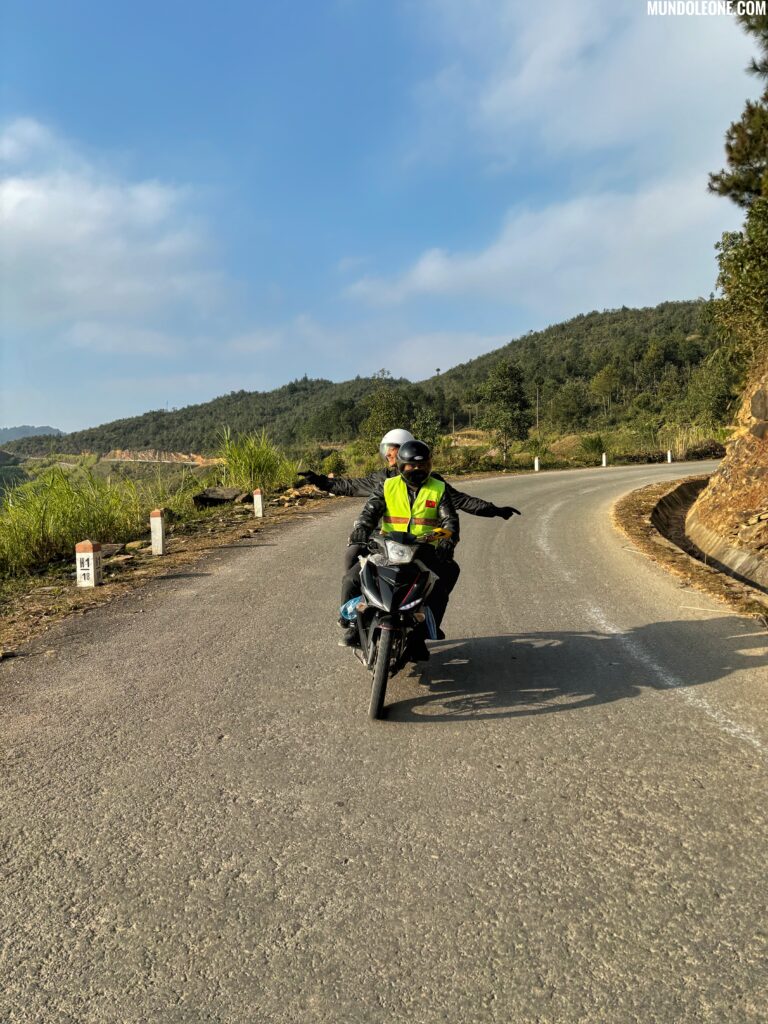
For those of us who want to keep our eyes on the horizon rather than the potholes, an Easy Rider is the ultimate way to travel. Riding pillion allows you to be fully present. Instead of clutching handlebars, I found myself waving to children in the fields and capturing the play of light on the rice terraces. Choosing an Easy Rider is not just about convenience; it’s about immersion. These riders are your bridge to the local culture, often pointing out hidden details you would otherwise miss. If you want to truly soak in the ‘jaw-dropping’ views without the stress of mountain driving, this is the path I wholeheartedly recommend.


My ethical choice: a Lila Inn Ha Giang review & discount code
Before setting off, I spent hours researching how to do this loop in a way that gave back to the community. That is how I discovered ‘Lila Inn & Tours’, a company that beats with a real heart for the people of Ha Giang.
What sets Lila Inn apart is their commitment to social impact. Many large investors are moving into the region, but Lila Inn ensures that local people, many from disadvantaged backgrounds with limited education, are given meaningful, well-paid work. In fact, their Easy Riders earn up to 50% more than the industry average. While not every rider speaks fluent English, their expertise on the road and their dedication to your safety are unparalleled. Being on the bike with them feels like a partnership; you feel the wind, you experience the weather in all its glory, and you know your journey is supporting a local family.


How to use the Lila Inn Ha Giang discount code
Lila Inn & Tours - Book your tour and save up to 5% discount
I am thrilled to share a little extra benefit for the Mundo Leone community. You can book a private or small-group tour (ranging from 2 to 7 days) and support this ethical mission while saving on your trip. Simply mention the code ‘mundo.leone‘ when booking via their website: lilainn.tours. It is a small saving for you but a big step towards supporting conscious tourism in the region.
During the quieter, lush rainy season (June to September), you will receive a 5% discount on your package. If you prefer to travel during the peak months, my code still secures a 3% discount for you. Every booking made with this code ensures that these dedicated local riders continue to receive fair, industry-leading wages.

Slow travel etiquette & tipping
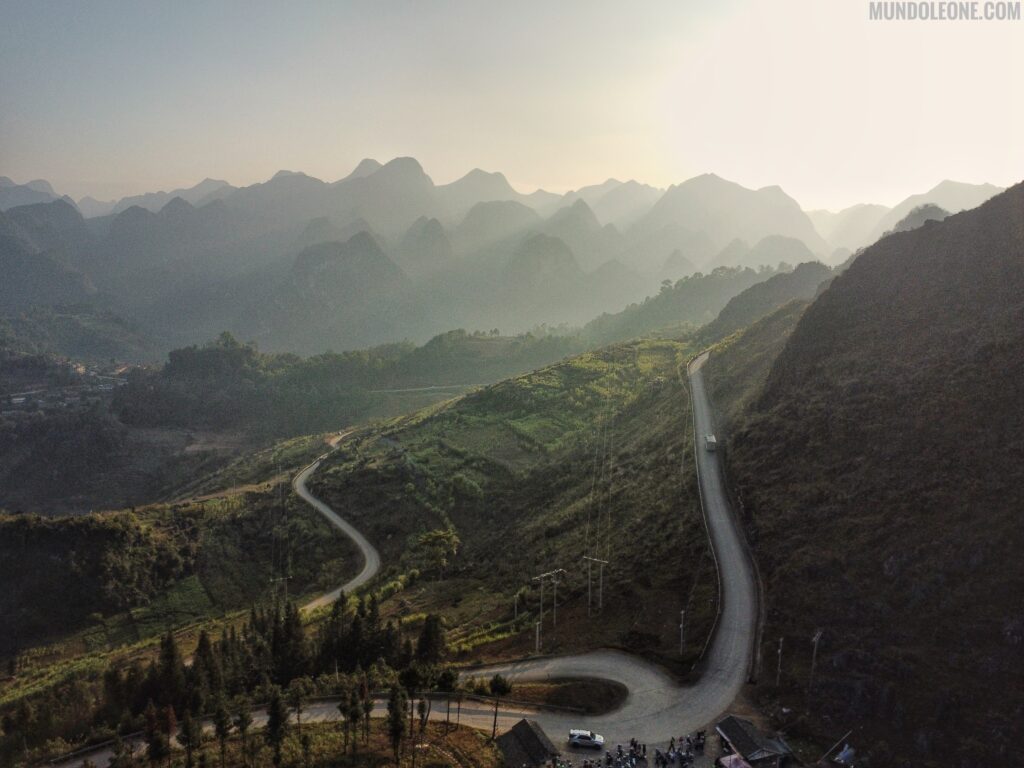
One of the things I loved most was that Lila Inn’s riders intentionally seek out quieter, more serene spots. They avoid the ‘tourist traps’ whenever possible, allowing you to experience the silence of the mountains, exactly what ‘slow down, experience more’ is all about. Time and time again, we were treated to quieter, more serene spots that allowed us to soak up the beauty without distraction. Fortunately, the easy riders are incredibly well-trained and know exactly where to take you for the best views. Best of all, they are often willing to play as photographers for you too, and they are surprisingly talented at it too!


Beyond the famous passes: the magic of Duong Thuong Valley
If the Ma Pi Leng Pass is the ‘king’ of the loop, then Duong Thuong Valley is its hidden soul. As we descended into the valley, it felt as though we had passed through a portal into another world. The sun spilt over the verdant peaks, illuminating a rhythmic pulse of daily life that felt untouched by time. We cruised through a landscape brimming with vitality: laundry fluttering like flags in the breeze, pigs trotting purposefully across the road, and children’s laughter echoing through the air. For me, this was the highlight: witnessing the simple, beautiful reality of life hidden between the mountains.
Why Duong Thuong Valley is the heart of slow travel in Ha Giang
In Duong Thuong, education is a journey of endurance; we saw children walking two or three hours each way to reach their schools. We passed clusters of homes where the vibrant pink scarves of the women created a stunning contrast against the deep greens of the valley. This is life in its purest form: babies tied to their mothers’ backs, elders sharing quiet conversations on wooden porches, and scooters laden with impossibly large baskets. This winding path eventually led us to a hairpin turn overlooking the entire village, tucked away and cradled by the mountains. It is a true hidden gem for those who choose to slow down and look beyond the guidebook highlights.


A taste of the north: experiencing local food in Ha Giang
For me, travel is inseparable from the plate. In the mountains of Northern Vietnam, I discovered that food is the fastest way to understand the soul of a culture. This is not just about fuel for the ride; it is about a direct window into the history of the ethnic communities who have thrived here for generations.


The warmth of the table: connecting through local cuisine
During our 4-day journey, we got to taste the true flavours. From Ha Giang Egg Rolls (rice roll wrappers filled with minced pork and wood ear mushrooms) to the communal joy of ‘family dinners’ at our homestays, every meal was an invitation to connect. In Dong Van, the December chill was no match for a bubbling local hot pot. Sharing this steaming broth with vegetables and meat added while the mist rolls over the peaks is a core part of the experience. For me, that is where the true flavour of slow travel is found. Curious to find out how you can apply the ‘how to slow travel’ mindset to all your trips? Learn more about my slow travel philosophy 🙂


Ha Giang Loop map highlights: a photographer’s trip
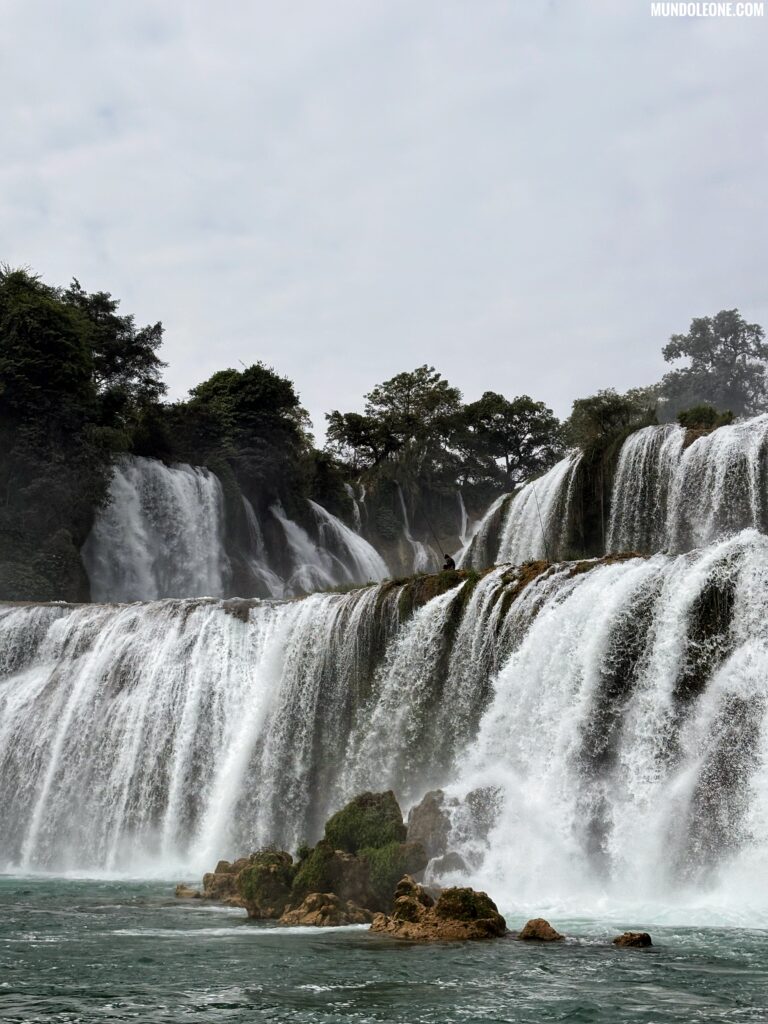
If you are a photography enthusiast like me, keep your camera battery charged; you are going to need it. These are my personal highlights from our 4-day mindful itinerary with Lila Inn. While we focused on deep immersion over four days, those with even more time might consider a 5- or 7-day tour. Such an extension allows you to venture further towards Cao Bang to witness the sheer power of the Ban Gioc Waterfalls. The largest in Vietnam, and the gravity-defying hairpins of the Khau Coc Cha Mountain Pass. However, even within four days, the visual rewards are staggering.

Quan Ba Heaven Gate
As you begin your ascent from Ha Giang city, the first true introduction on your Ha Giang Loop map is the Quan Ba Heaven Gate. This legendary viewpoint offers a panoramic perspective of the winding roads you have just conquered and the vast, limestone world that lies ahead. We took our time here and watched the clouds drift through the mountain clefts. Looking down at the patchwork of rice fields in the Tam Son Valley, the view from the top is breathtaking, offering a glimpse of the ‘Twin Mountains’ (Co Tien Mountain) nestled in the valley below.


Dong Van Karst Plateau Geopark & Tham Ma Pass
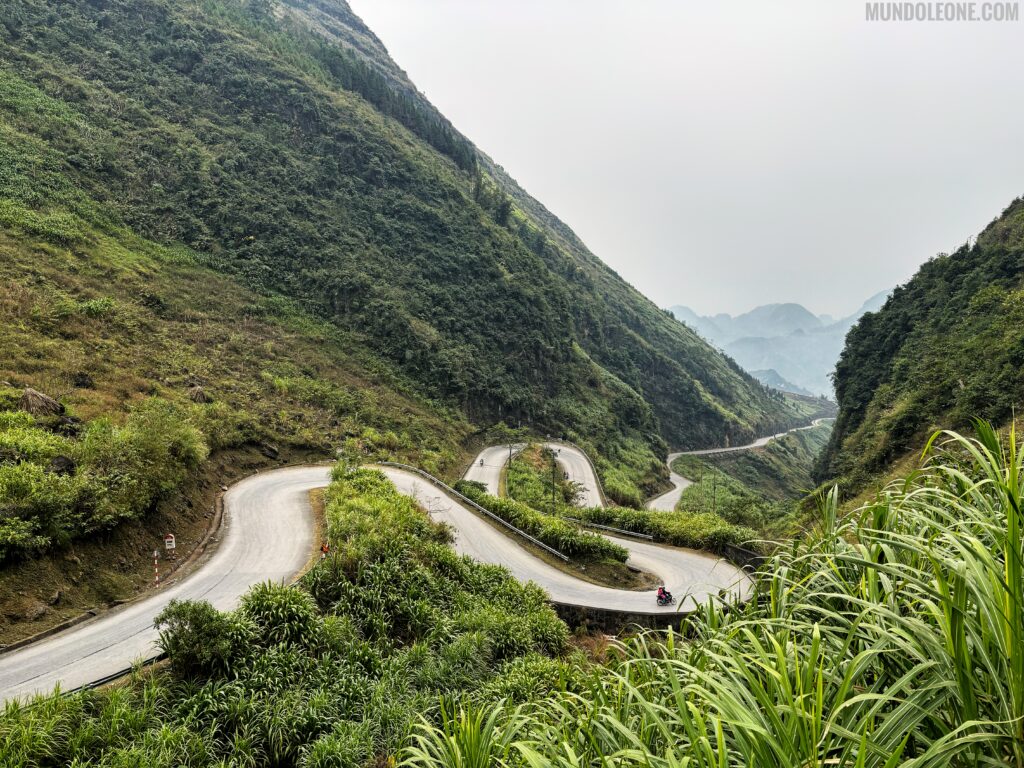
The Dong Van Karst Plateau is nothing short of a geological masterpiece. As a UNESCO Global Geopark, these dramatic limestone landscapes date back over 80 million years, and standing amongst them makes you feel wonderfully small. During the Ha Giang Loop, you will also find the iconic Tham Ma Pass. This legendary stretch of road, with its perfect zigzag hairpins, was once used as a strength test for horses. While it is undoubtedly one of the more popular stops on the map, it has earned its fame for a reason: the view from the top is a definitive Ha Giang moment.

Lo Lo Chai Village & Khe Lia Panorama Viewpoint
Reaching the northernmost tip of Vietnam felt like a milestone. Here, we wandered through the charming Lo Lo Chai Village, where the Lung Cu Flag Tower watches over the valley. We spent a delightful afternoon gazing across the border into China and even joined in a game of ‘Đá Cầu’. A local sport where you keep a weighted shuttlecock in the air using only your feet. It is much harder than the locals make it look!
Another hidden treasure was the Khe Lia Panorama Viewpoint. Surrounded by towering pine trees and bathed in golden sunlight piercing through the mountain mist, the silence here was absolute. It was one of those rare, breathless moments where the world seems to stand still.

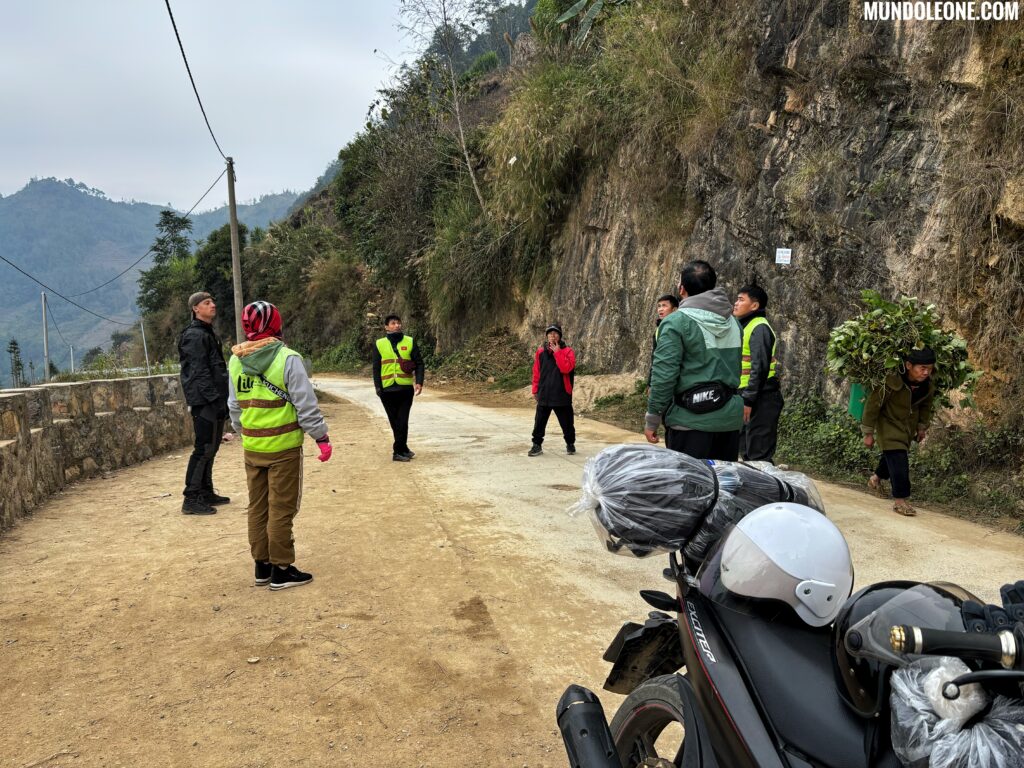


Ma Pi Leng Pass - King of the Passes
No journey through Northern Vietnam is complete without traversing the legendary Ma Pi Leng Pass. Often hailed as the ‘King of the Passes’, this 20-kilometre stretch is considered to be one of the most beautiful roads in Asia. Every single turn reveals a new, awe-inspiring perspective that demands you stop and simply breathe it in.
During our trip with Lila Inn, we were given two wonderful choices:
- Mindful hike along the Skypath for spectacular views over the turquoise Nho Que River.
- Boat trip through the Tu San Canyon, the deepest canyon in Southeast Asia.


Ha Giang loop map: Practical tips for the mindful explorer
To ensure your focus remains on the landscape rather than your logistics, here are a few essentials for your daypack:
- Cash is king: Bring plenty of Vietnamese Dong for snacks, local crafts, and tips. ATMs are very limited once you are deep in the mountains.
- Master the layers: Even if it feels warm at the start, the mountain air bites. Layered clothing is your best friend. A pair of thick socks is essential for winter.
- Connect through language: Learning just two words: “Xin chào” (Hello) and “Cảm ơn” (Thank you), opens doors to the local culture faster.
- Daypack essentials: Keep sun cream, a high-quality raincoat, and a reliable power bank within arm’s reach.
Best time to visit Northern Vietnam
The beauty of Ha Giang is that it wears a different gown every season. From November to March, the air is dry and crisp, while April and May bring a burst of colour and light spring showers. If you visit between June and September, expect the rainy season, though the reward is a landscape so vibrantly green it almost looks painted.


Ha Giang Loop budget: what does it cost?
Budgeting for the loop depends on your travel style, but choosing a quality tour is an investment in safety and ethics. As prices fluctuate, please refer to the Lila Inn website to check the current price. What you get in return is worth more than the amount you pay; it is an enriching experience in your life that will stay with you. This was remarkably inclusive, covering our private Easy Riders, all insurances, and every meal from breakfast to dinner. It also included entrance fees, waterproof gear, and even a dorm bed at the inn before the journey began. When you consider the peace of mind and the support for the local community, it is exceptional value.
Ha Giang Loop motorbike rental & driving permits
If you are a confident motorcyclist and prefer to ride solo, that is also an option, either with a tour or independently. Joining a tour while riding yourself costs about the same as riding with an easy rider. Prefer to go it alone? You can also hire a motorbike from Lila Inn directly, without joining a tour.

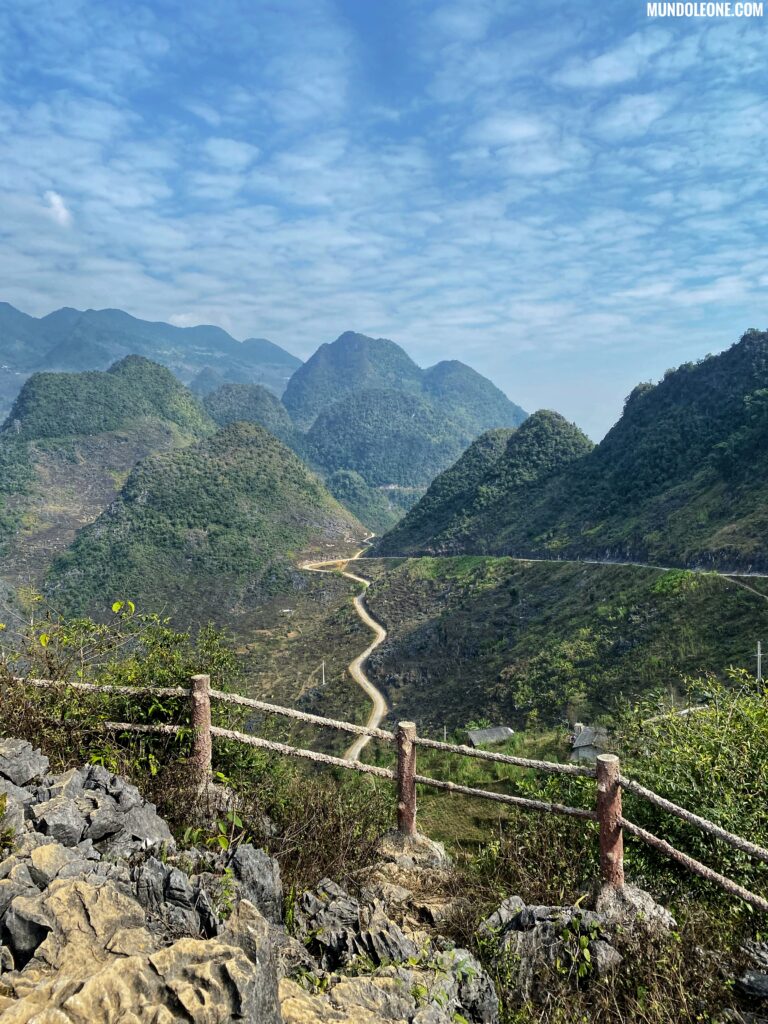
My experience volunteering with the Red Dao via Worldpackers
If your schedule allows, I cannot recommend the Worldpackers experience enough as a way to decompress after the loop. We spent a few days volunteering with the Red Dao people, one of Vietnam’s most vibrant ethnic groups. Worldpackers connects travellers with hosts worldwide, offering volunteer opportunities in exchange for accommodation and meals.
This was a “back to basics” immersion where we traded our skills in social media and tea packaging for a seat at the family table. Staying in a traditional stilt house and helping with seasonal tasks provided a sense of closure to our journey that a hotel never could. It turned our trip into a true exchange of cultures. If you want to wrap up your adventure with a deep sense of purpose, check out my review of volunteering in Northern Vietnam!
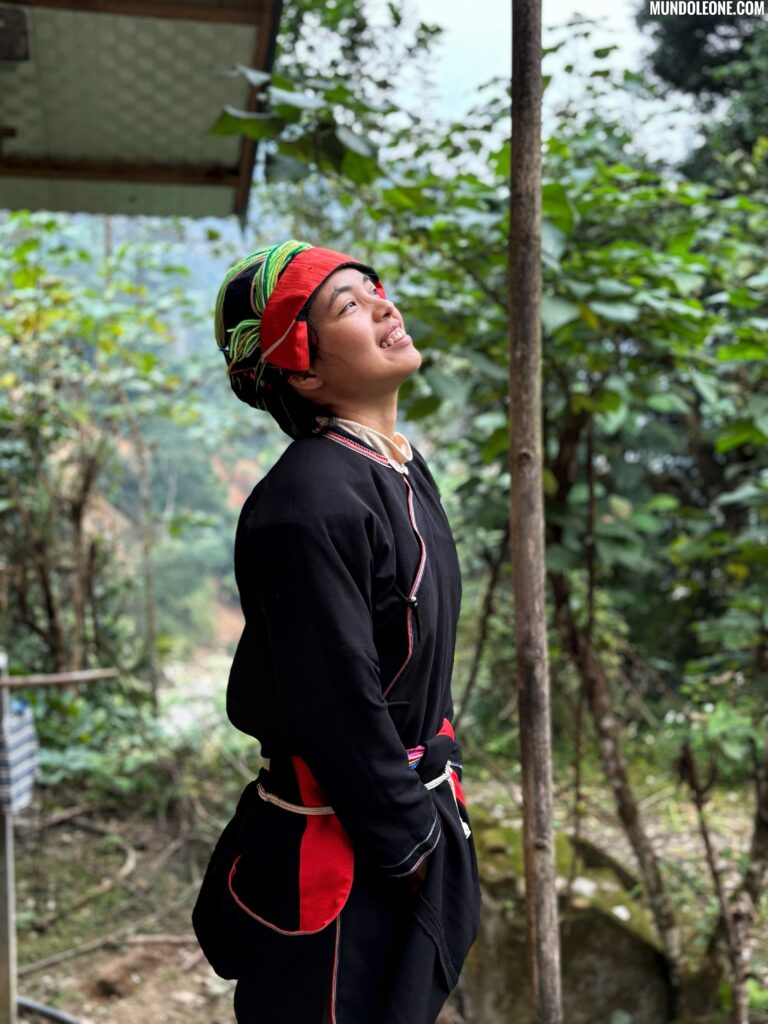

Ha Giang Loop photos: a visual journey
They say a picture is worth a thousand words, but even the best lens struggles to capture the sheer scale of these mountains. I have curated a few of my favourite shots below to help you visualise the magic awaiting you. Whether you choose to ride solo or with an Easy Rider, I hope my Ha Giang Loop map and guide inspire you to take the path less travelled and embrace a slower pace. Loved this guide? Check out my other slow travel itineraries!


Last update: 27-03-2026 © Doris Leone

I’m Doris, a slow travel specialist. During my 1.5-year journey through Asia, I discovered that travel is not about the distance covered but the lasting impact a place leaves on you. I’d love to inspire you to enrich both your travels and your life. Slow down, experience more.


