
Tips & Tricks South India
The best tips & tricks for a trip to South India
India is a massive country, about 80 times larger than a country like the Netherlands. When it comes to travelling, the southern part of India is a great option, even in the lesser-explored state of Tamil Nadu. However, it is important to know that what you pack for your trip might be different from what you are used to. It is also good to read up on safety, language, currency, haggling, transport and costs, among other things. Have a look at my tips & tricks South India preparation guide!
Online Prep Guide

Safety in these tips & tricks South India guide
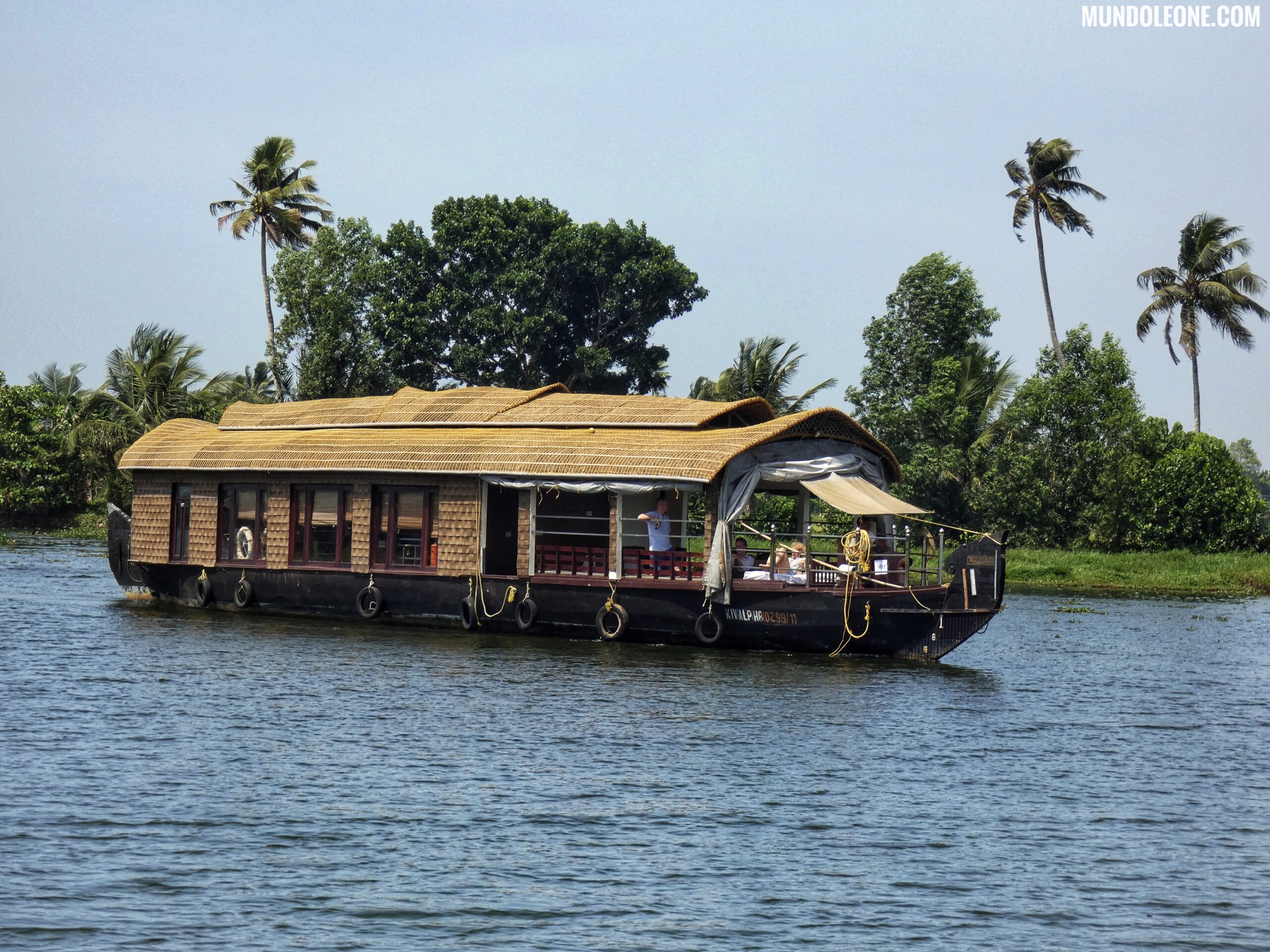
In my opinion, South India is not unsafe, at least I did not feel unsafe anywhere. However, there are times when it is best to stay indoors, especially on weekends when the locals drink a lot. Women, in particular, can be bothered during these times. In the state of Tamil Nadu, this generally plays out more, in Kerala the locals are more used to tourists. Women should keep in mind certain clothing regulations. In any case, keep an eye out and do not be too nonchalant.


Language
In India, they speak 415 different languages, so they have their own in almost every district. The official language is Hindi, but most Indians do speak some English, keep it simple and listen carefully as they are not always easy to understand. In the states where Hindi is not the official language, English is used as the language of communication.


Food in South India
Indian food is delectable
Get to know traditional Indian food, taste the eccentric flavours. Because they lay out everything separately, and you eat with your hands, you can taste and combine the flavours of each part perfectly. From sweet to slightly piquant, sour, salty, and deliciously spicy hot. Be surprised by the smells and flavours of the dish served on a banana leaf. There are countless dishes without meat, with a huge variety of vegetables.


Indian Filter Coffee
Locals love it, Indian filter coffee. It is made with a combination of hot milk, sugar and finely ground coffee powder with chicory (related to endive). They use a small cup with a bowl underneath, which allows them to mix the whole thing well and the coffee cools faster. My opinion: tasty, but very sweet.

Make sure that you do not get food poisoned
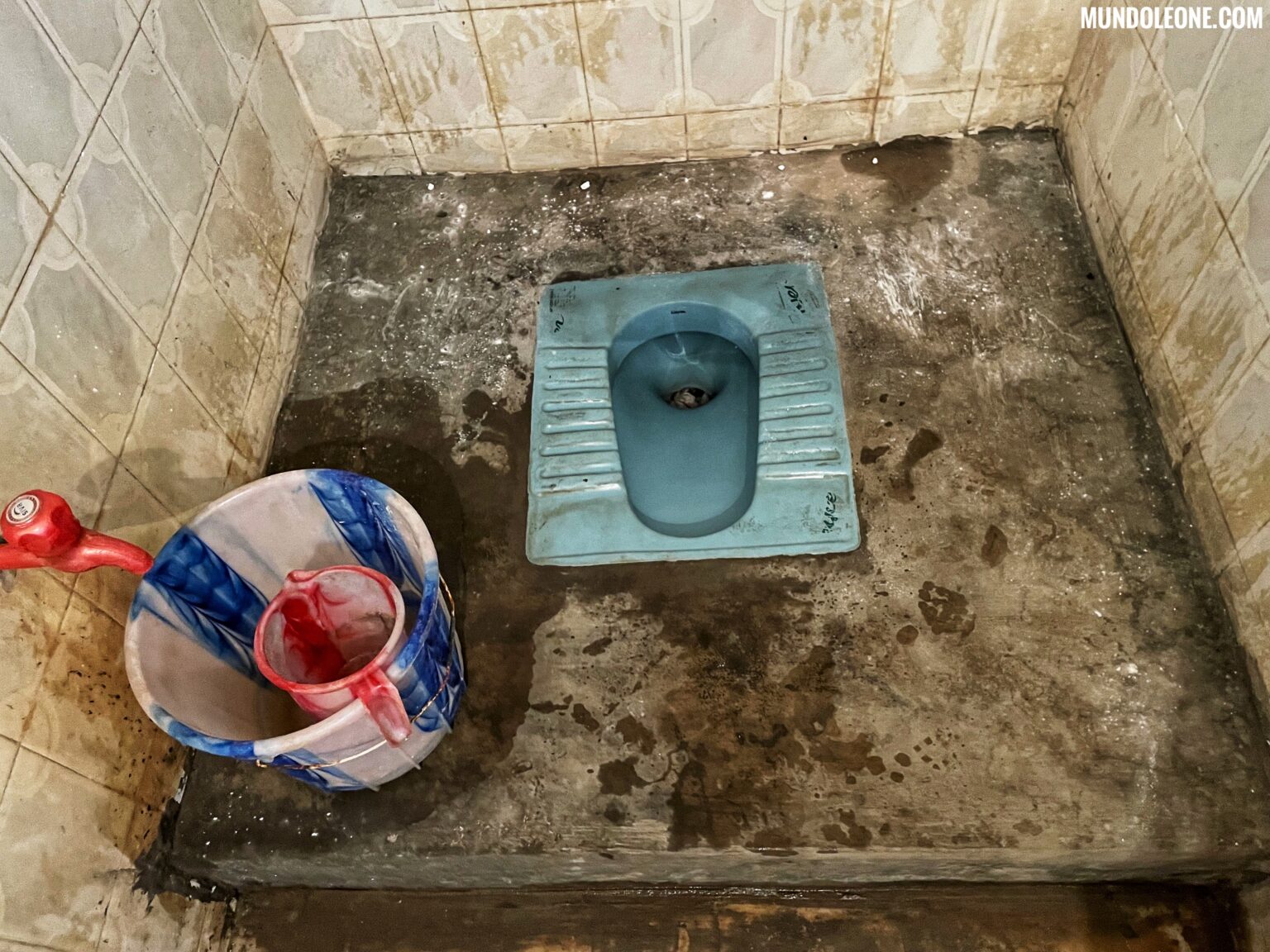
Be careful where you eat: take the time to read restaurant reviews carefully, and avoid buying cut fruits, vegetables, or smoothies. You do not want to get food poisoning or other unpleasant illnesses in India. Hospitals are much more primitive, and restrooms on the road are often nothing more than a hole with a small bucket of water aside.
Visa - Tips & tricks South India
If you are planning a trip to India, you will need a visa, and it is best to apply for it online in advance. Applying for an Indian visa requires a lot of information, so I have written a separate article all about it. Read all the information about applying for India visa in this article.


Currency & costs South India
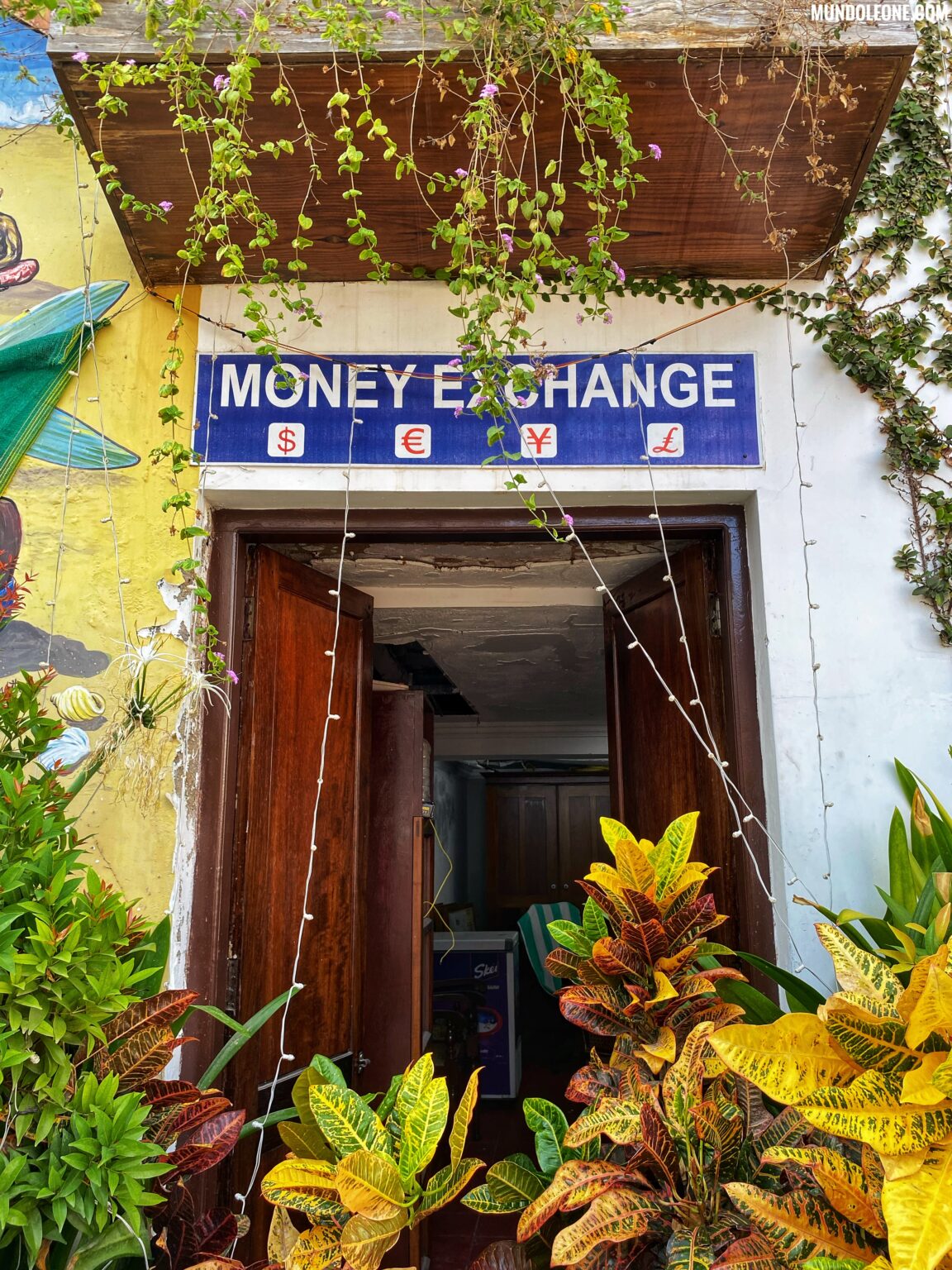
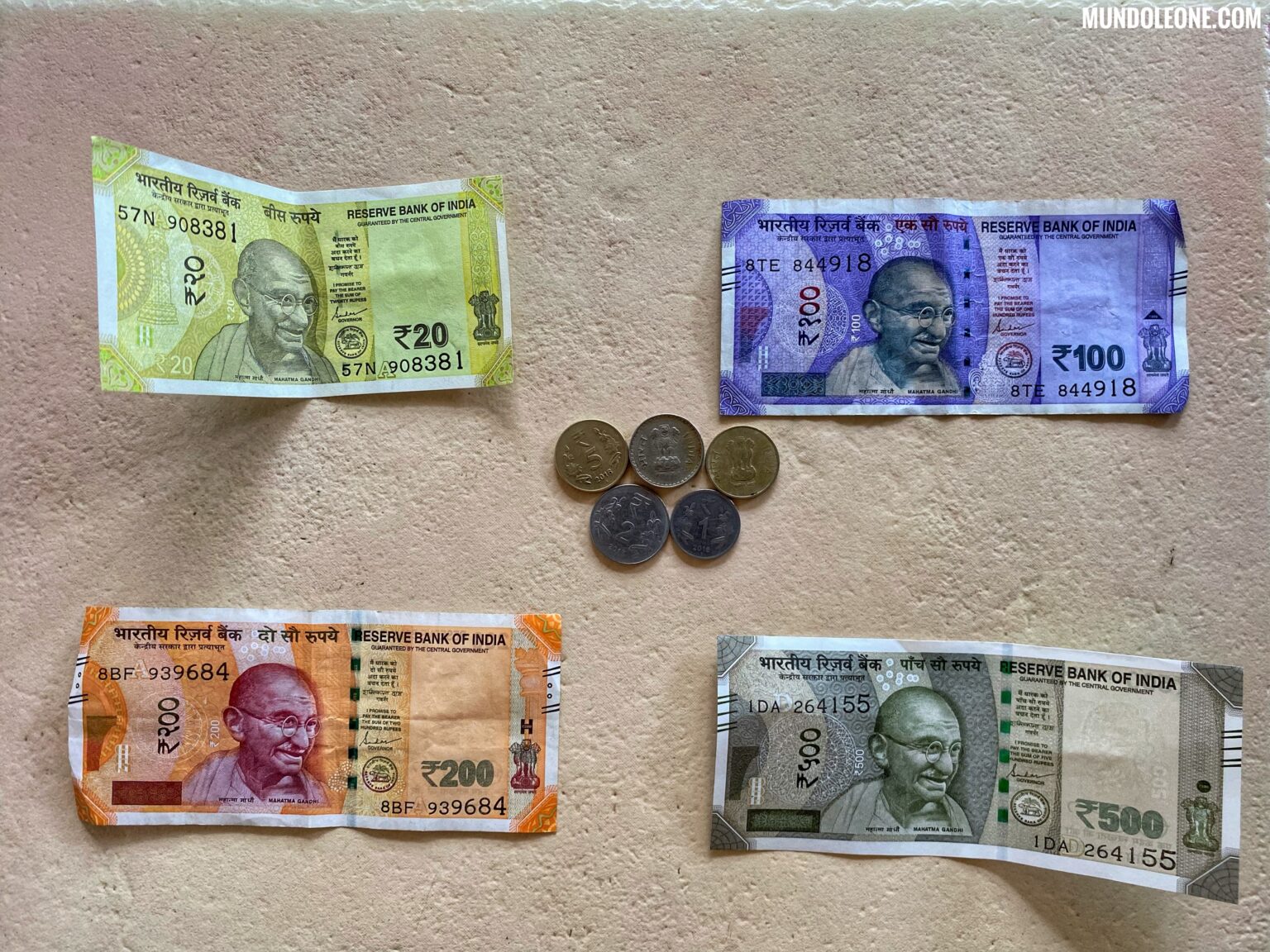
The currency used in India is the Indian rupee, with 100 rupees equivalent to approximately €1.12 (depending on the exchange rate). Keep in mind that it is better to withdraw money from ATMs in India, so you have cash to pay for things. You can withdraw money from almost any ATM (if it is working), and the maximum amount you can withdraw is 10,000 rupees, which is roughly equivalent to €112. You can often withdraw money from ATMs using your debit card or credit card.

Inexpensive for travellers - Tips & tricks South India
Travelling trough India is super cheap, you can snag a delicious meal or a bag full of amazing souvenirs for just a few euros. Plus, decent accommodation would not break the bank, and transportation costs are also very affordable. Expect to pay around €15-€30 for a night in a double room with air conditioning, and just €1 for a train or local bus ride that lasts one to two hours. You can choose to join an organized group tour in South India that includes all your transportation, accommodation, and flights, or you can travel solo and explore the country at your own pace.
Bargaining: how does that work?
Here is a little lesson: ask for the price, make sure you are at least just under half. If they do not agree, walk away. They often do this themselves, then come back and give you a new ‘friend price’. Indicate that you want to pay something extra, for instance just over half the full price. If they still do not agree, do the same, until you finally arrive at your real price. If they see that you want something, they will definitely persist.
Cost of transport by bus
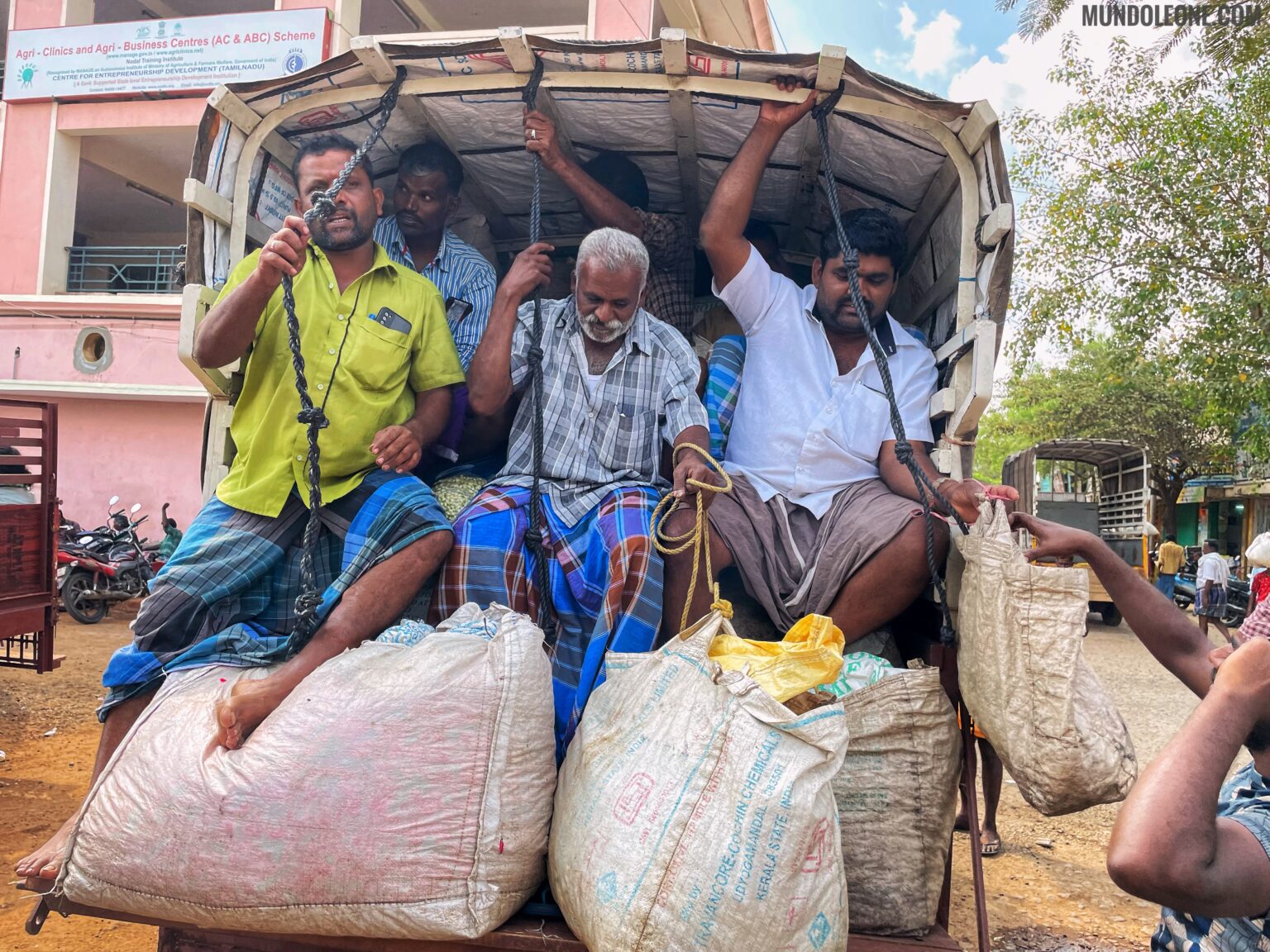
You can travel by local bus or tourist bus. The local bus is a unique experience, as the locals are not expecting you and so you will really be ‘the tourist’. You will get stared at a lot and experience what daily life is like for the locals. These buses are pretty basic, usually packed, and have no air conditioning, the windows are usually open. This is the cheapest option, and will usually only cost you a few euros, depending on the length of the journey. Alternatively, you can book a luxury bus through your accommodation and travel in a private group with other tourists.
Cost of transport by train
The most popular way to travel in India is by train. There are train stations in most places and cities, where you can catch a train. For busy routes, it is best to reserve your train ticket in advance, which you can do at the station. Train tickets usually cost only a few euros, depending on the journey time.


Travel times in these tips & tricks South India guide
Travel times can be long in India, especially when travelling by bus. The roads are not always great and there may be roadworks causing delays. For example, a 30-kilometre journey can easily take a few hours. Here are some travel times in these tips & tricks South India guide, but be prepared for them to take longer if you hit traffic:
- Chennai to Mahaballipuram: 3 hours by bus
- Mahaballipuram to Kumbakonam: 6 hours by train and 7 hours by bus
- Kumbakonam to Madurai: 4.5 hours by train
- Madurai to Thekkady: 3 hours by bus
- Thekkady to Kochi: 4 hours by bus
- Kochi to Alleppey: 1 hour by train and 1.5 hours by bus
- Alleppey to Trivandrum: 3 hours by train and 3.5 hours by bus

Transportation in these tips & tricks South India guide
Bus & train
Many travellers opt for the bus or train as it is the cheapest option. Travelling by bus can take a while, because the roads are often busy. People are busy improving the road, causing everything to be closed once again, cows cross whenever they want, and besides, it is just tremendously busy by default.
Rickshaw and Tuk Tuk
India is known for the Rickshaw, which is a bicycle that can carry people in the back. Nowadays, more and more tourists use the Tuk Tuk, as it is faster and less intensive for the driver. In crowded places, you can find Tuk Tuks everywhere and the occasional rickshaw.
Domestic flights
If you are travelling long distances in India, it may be worth considering a domestic flight to get from A to B more quickly.
Stuff to bring with you
Wondering what to pack? Here is a list of must-haves for South India:
- Sturdy sandals
- Windproof/rain jacket (for higher areas where it might rain)
- Light jumper/cardigan
- Long and covering clothing
- Light clothing
- Sunscreen with high SPF
- Hat or cap
- Lots of DEET
- First aid kit
- Printed e-ticket and ‘granted’ visa


Clothing restrictions South India
It is important to dress modestly when visiting India and to respect the country’s rules and customs, especially in Tamil Nadu, where there are many temples with strict rules. In Kerala, especially at the beaches, Indians are more accustomed to tourists. You can walk around in a bikini or swimming shorts at the beach, but bring something to cover up when going into the city, like a scarf or a typical Indian saree (wrap cloth).
Women
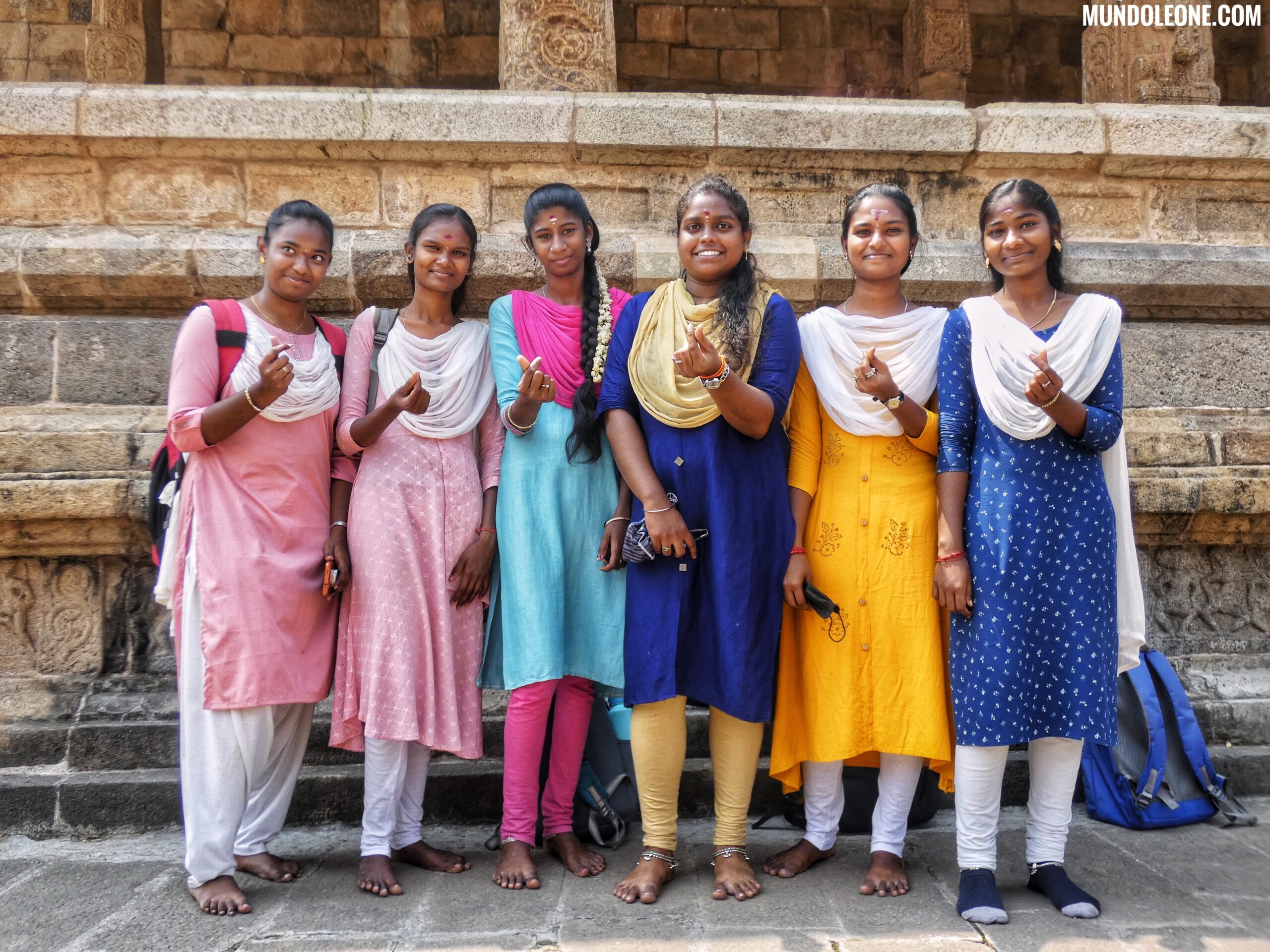
Cover your shoulders and knees, and in some temples, they prefer you wear a scarf that covers your chest. In strict temples, there may also be rules about covering your arms and legs completely, so wear pants, skirts, or dresses that cover your ankles. If you dress too revealingly, then you will attract unwanted attention, even outside the temples.
Men
Like women, men should cover their shoulders and knees, and ideally wear long pants that cover their ankles. Sometimes, their arms may also need to be covered.
Best travel time in these tips & tricks South India guide
The best time to visit South India is during the dry season from October to March. After that, it gets really hot and most of the rain falls in June and July.
Things to take into account
- The electrical outlets are a mix of European and African types (Type C, D, and M). So, it is a good idea to bring a universal adapter.
- The country code is +91.
- Tap water is not drinkable, but many accommodations provide a complimentary bottle of water.


Last update: 20-02-2024 © Doris Leone


