
Thekkady & Periyar National Park
Thekkady & Periyar National Park, magically South India
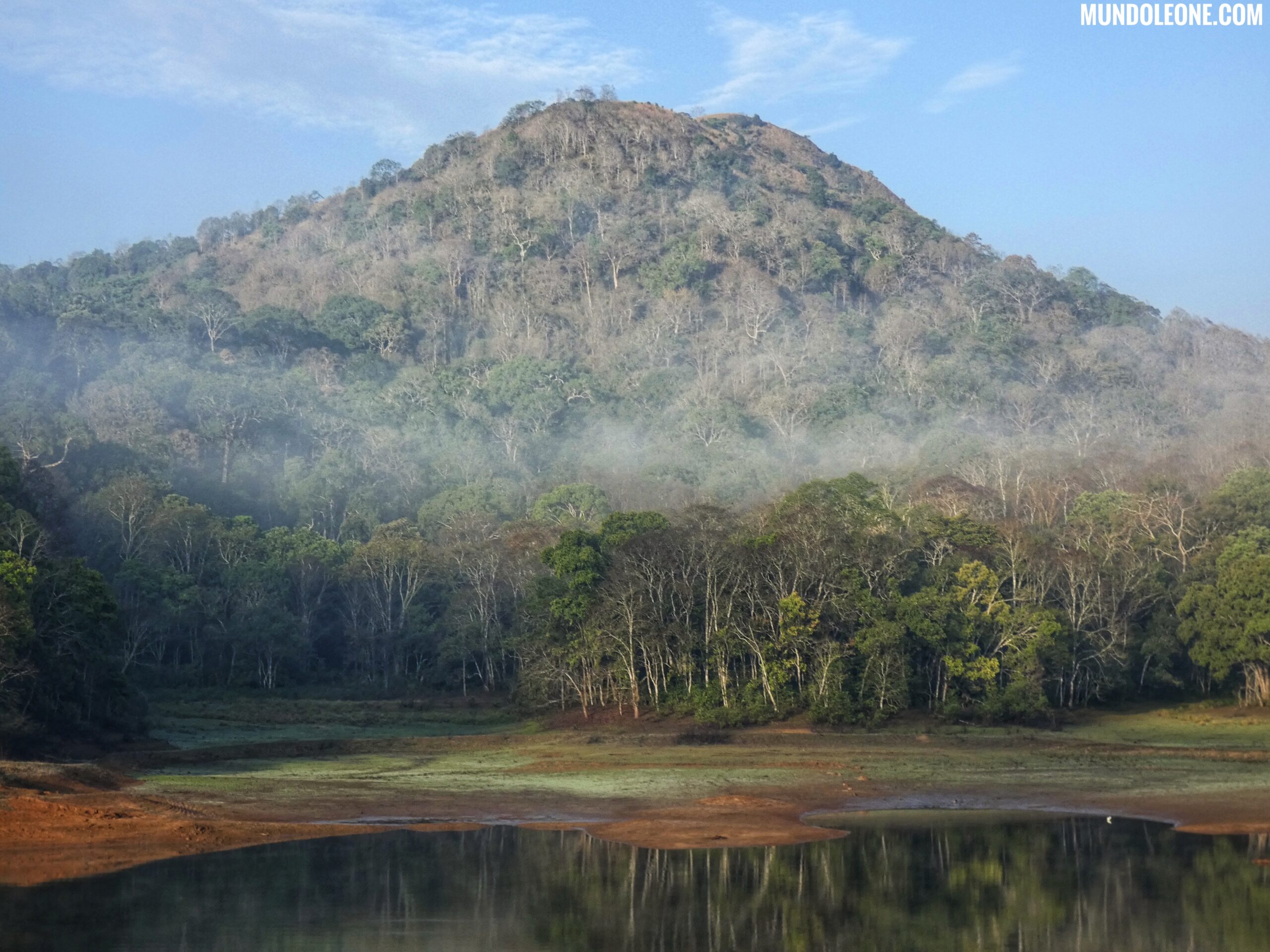
The protected Periyar National Park is a haven of peace with amazingly beautiful flora and fauna; its name comes from the river that flows through the park, the ‘Periyar’. This region is an impressive nature experience, which is also cooler due to its higher elevation. Whether by foot or boat, explore the park to spot its diverse wildlife and immerse yourself in its natural beauty. Adjacent to the national park, you will find the city of Thekkady, offering an opportunity to discover unique spices. Explore more in my Thekkady & Periyar National Park guide!
Online Travel & Gem Guide


What is the best time to visit Periyar?
Depending on your interests, there are optimal times to visit the park. If wildlife viewing is your priority, then the best time to visit Periyar National Park is from October to March. During this period, there is less rain, making it ideal for observing animals such as elephants, which come to drink water. Conversely, if you are seeking lush greenery and nature in full bloom, consider visiting from May to August, which coincides with the rainy season, with the heaviest rainfall typically occurring in June and July. However, be mindful of leeches during the rainy season, especially while trekking.
Periyar National Park
Boat trip in Periyar
Take a beautiful boat trip down the Periyar river, you can choose between a large boat with many passengers or a small bamboo raft. The large boat sails slowly along the river, and you have a guide who will be happy to take some photos for you. They know how to spot everything, it will surprise you.
The small bamboo raft is pleasantly primitive, you literally sit on the bamboo, and staff row you across the river. With only a few visitors on the raft, you can be much quieter, increasing the chances of seeing more animals.
Trekking in Periyar
To do a trekking tour through the park, you must book an organized trekking tour or a private one with a local guide. Not to a detriment, as they have all the knowledge and can tell you all about the flora and fauna. The great advantage of trekking is that you have the most chance to spot animals.
You can choose from various trekking tours, ranging from a few hours to multi-day tours with overnight stays in the park. If you want to take a night tour, there are options available too.


What to spot in Periyar National Park?
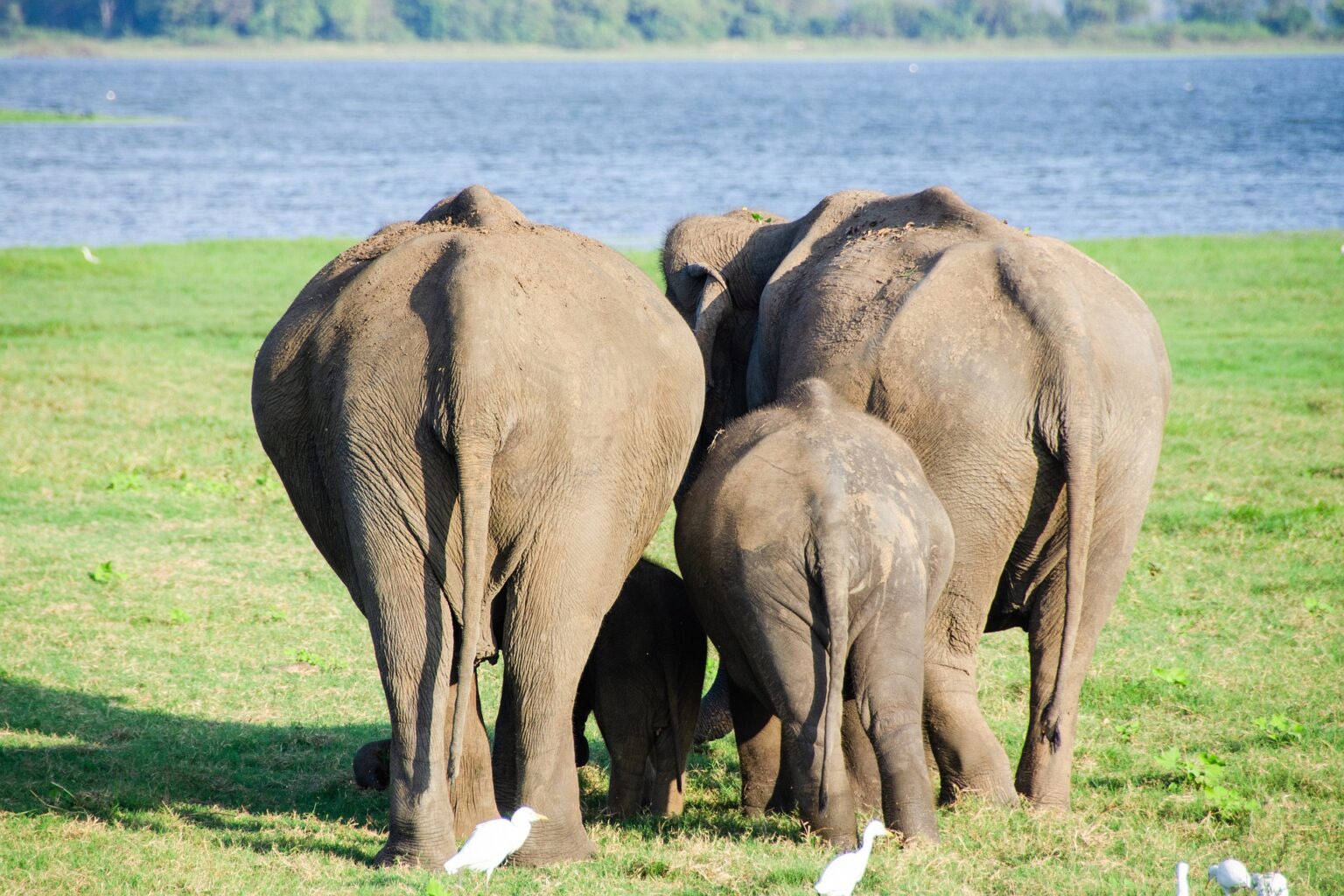
There are loads of animals living here, from mammals to birds and reptiles. With a total of 42 Bengal tigers, over 900 elephants, the Indian Grey Mongoose, Indian bison (also known as Gaurs), sambar deer, flying squirrels, pythons, king cobras, drongo birds, brahminy kites, and a plethora of bright blue kingfisher birds, this park is rich in its fauna. With a bit of luck, you might even spot leopards, but just like the Bengal tiger, this is very rare. These animals live in a diverse park of approximately 925 square meters, where they have plenty of vegetation, water, and prey to survive.


What to bring to Periyar National Park?
- DEET
- High socks to protect against leeches
- Sufficient water
- Sunscreen with a high SPF
- Camera
- Sturdy hiking shoes that can handle water
- Light clothing
- Raincoat
Thekkady
Thekkady is a wonderfully quiet city, with a pleasant atmosphere. Unlike other cities in South India, the temperature here is comfortable, and it rains more often, making everything lush and green. However, what stands out the most are the clean streets and better infrastructure. Residents pay 50 rupees per month to keep everything clean.


Kalaripayattu martial arts in Thekkady
You can watch a fighting competition in this city called Kalaripayattu. It is a unique way of fighting and is incredibly spectacular. They love to play with fire and make it a whole show. Indians cheer enthusiastically, and you can even participate at the end (if you dare).
Ayurvedic Massages in Thekkady
This body massage is an Indian technique that uses many warm herbs and essential oils. There are many Ayurvedic providers in the region who offer various treatments. Note that even your entire head will be massaged, leaving everything very greasy.


Spices & cooking class in Thekkady
Green Land Spice Garden, Thekkady
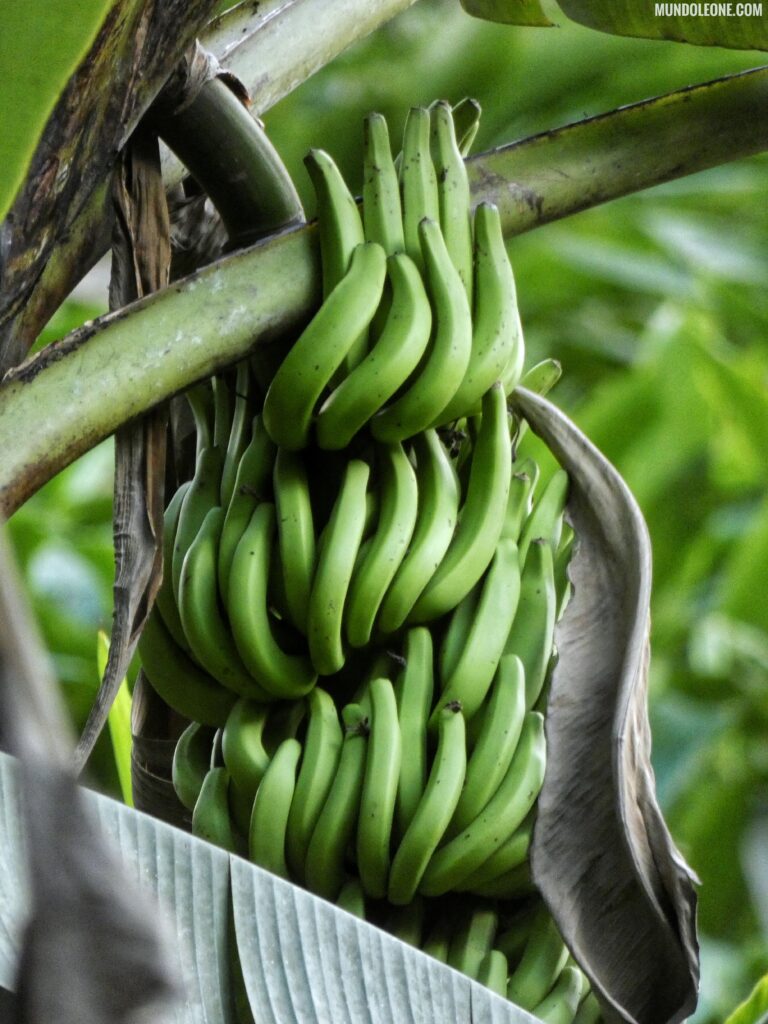
In this Thekkady & Periyar National Park guide, you will discover that a visit to a spice plantation like Green Land Spice Garden is a must-do, as recommended by Lonely Planet. As you explore, you will delight in the myriad flavours and aromas offered by the spices. Everything grows abundantly here, from herbs and vegetables to fruits you may have never heard of before. Moreover, take the opportunity to look around, as there is always something special growing in the trees. You will be surrounded by stunning, colourful flowers that create the ambiance of a botanical garden.



Spice lovers beware of Thekkady & Periyar National Park!
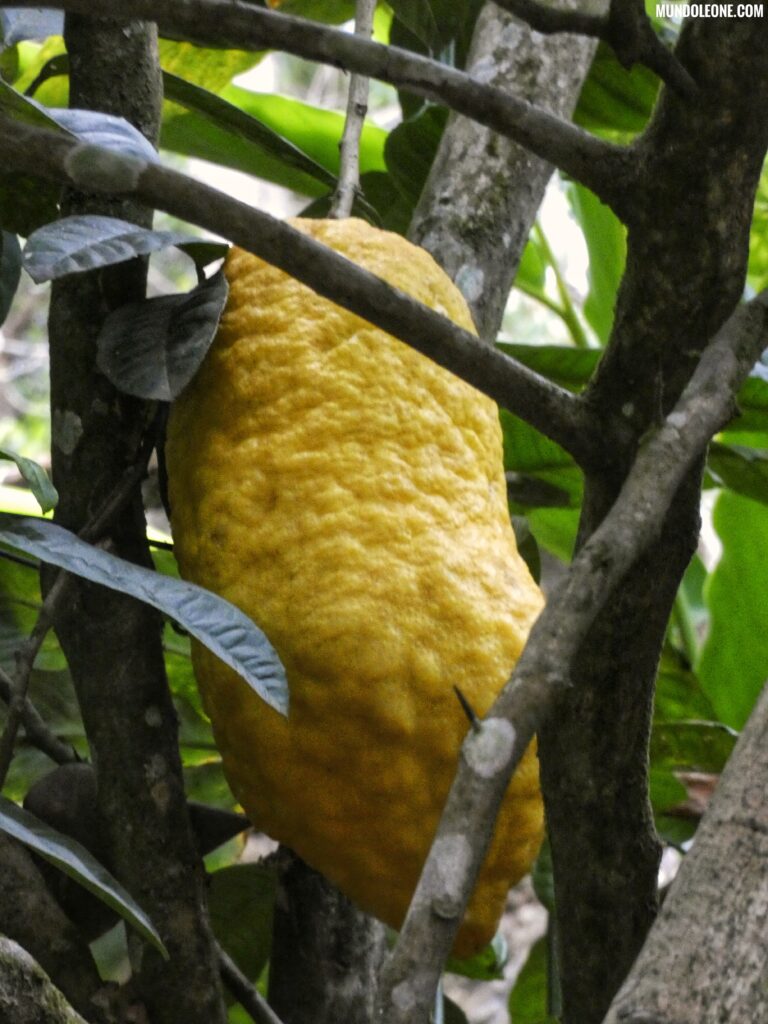
You will find the following herbs, flowers, vegetables and fruits, among others: Aristolochia tomentosa, Heliconia rostrata (hanging lobster claw), Basmati (fresh through rice), cloves, cardamom, vanilla, star anise, lemons that can grow up to 3 kg, many peppers including Piripiri’s and Stevia. The latter is a plant whose leaves have an incredibly sweet taste, at least 10 times sweeter than sugar and the biggest advantage, much healthier!


Cooking Class - Thekkady & Periyar National Park guide
In case you are ready for a delicious Indian cooking class, Bar-B-Que in Thekkady is the place to be. Learn how to mix the perfect combination of spices, known as curries in India. Masala, a combination of spices used frequently here, is a staple ingredient. Additionally, they have a fondness for mustard seeds, often starting by frying them in hot coconut oil followed by the addition of curry leaves, which impart a combination of sweet and bitter aromas along with citrus, anise, and nutty flavours when cooked. Subsequently, chopped vegetables are added and stir-fried briefly before a small amount of water is added to simmer the mixture. Flavour enhancers such as garlic, shallots, and chilli peppers are commonly used and are often blended with grated coconut in a blender.

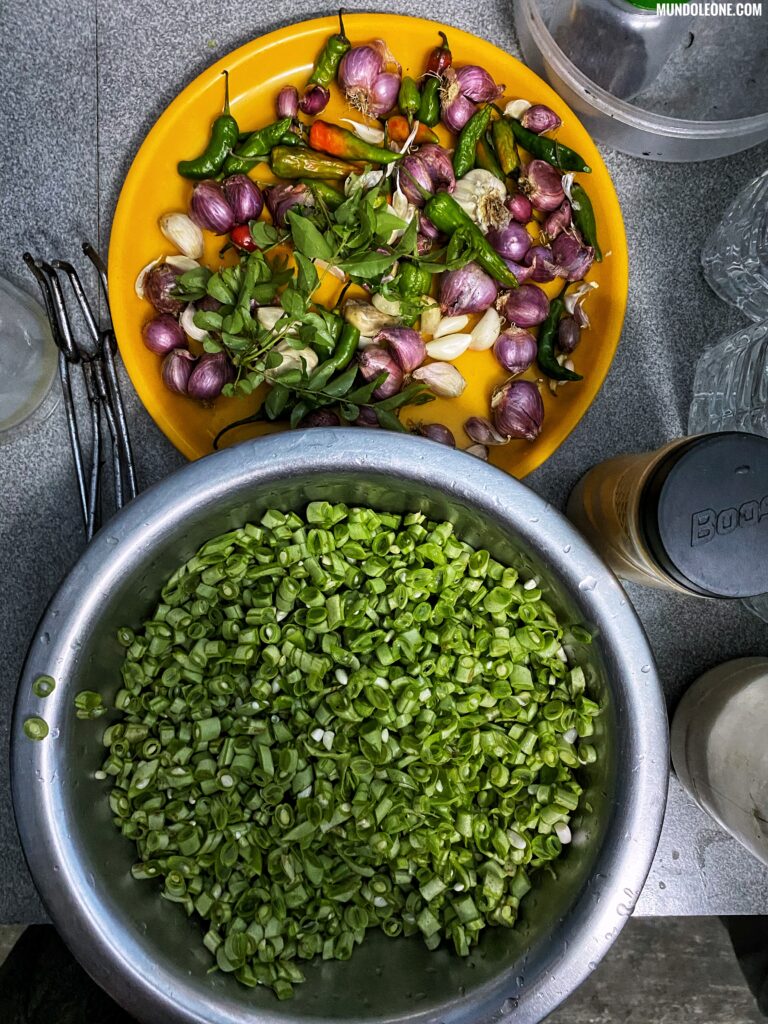
Some of the recipes I learned about are
Papadum (I love them!)
This is a fried flat cracker made from lentils or chickpeas. It is fried in coconut oil with cumin seeds and a little salt.
Indian fries
How to make Indian fries? Cut the fries into thin pieces and sprinkle a mix of cayenne pepper, cumin seeds, coriander seeds, turmeric, mustard seeds, and salt over them. Then fry them in coconut oil with extra turmeric, which gives them a yellow colour.
Curries with pineapple
Curries with pineapple are also a thing in southern India, where they make a delicious curry with grated coconut, pineapple, mustard seeds, sugar, curry leaves, salt, and water.


Hidden gems in this Thekkady & Periyar National Park guide
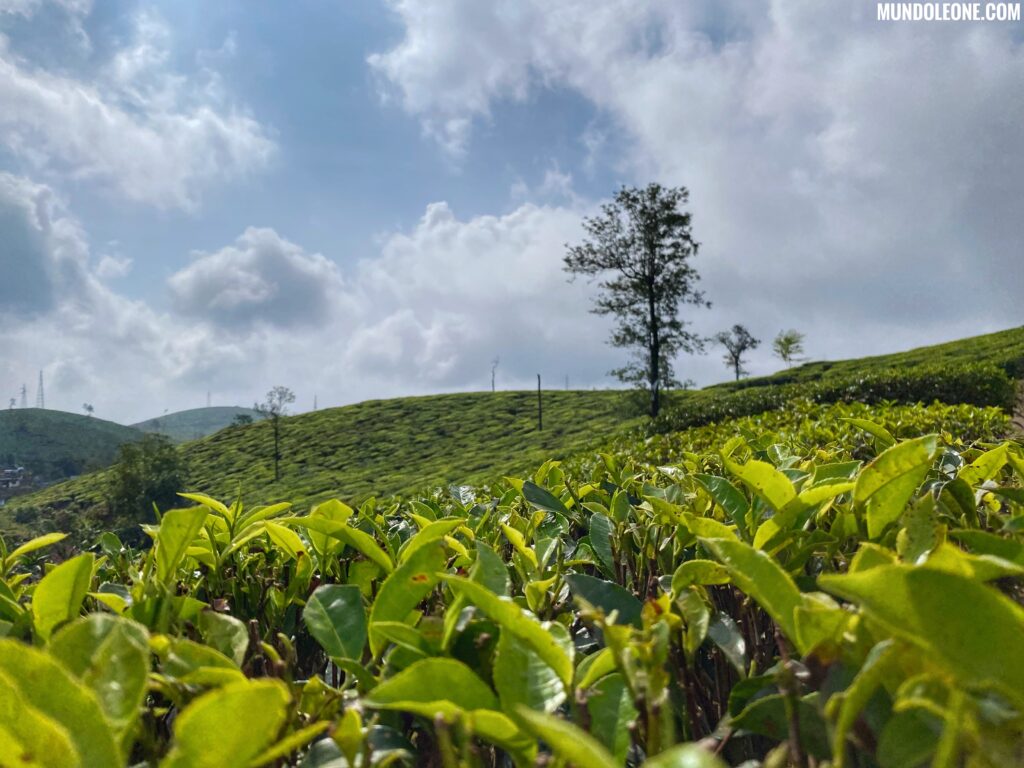
Tea Plantations in Munnar
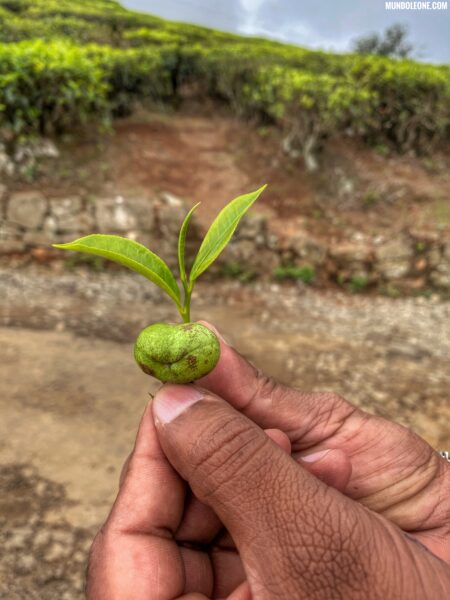
In the higher mountains near Munnar, there are many tea plantations. These tea trees are more than 150 years old, but they look like bushes because the tea leaves are constantly trimmed. Different types of tea are made from the twigs with different leaves. On the left in the photo, you can see an older leaf, from which black tea, or ‘Orange Pekoe’, is made. Green tea is made from the leaf on the right, and the middle leaf is for white tea. This leaf is still in the initial stage, so the flavour is not so strong yet. The ball you see in the photo is the seed, which contain 1 to 2 seeds. In addition to tea plantations, you will also find many cardamom plantations in Munnar.

Rubber Trees in Munnar - Thekkady & Periyar National Park guide
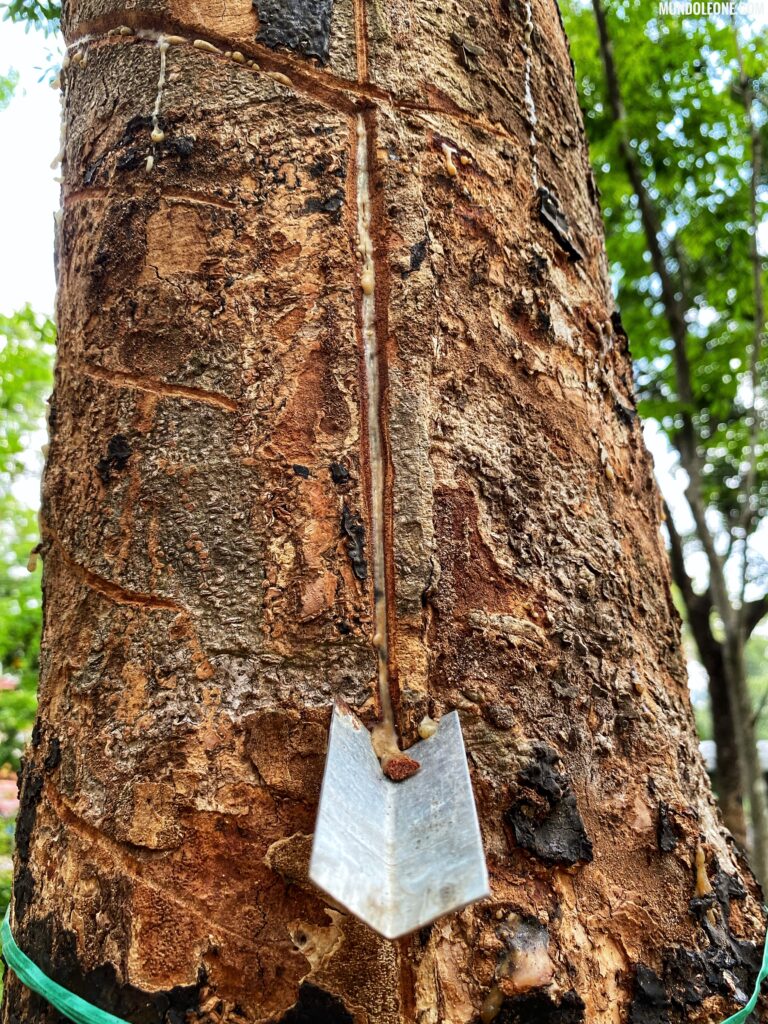
In addition to the breathtaking tea and cardamom plantations, you can also find rubber trees in Munnar. These special rubber trees (Ficus Elastica) produce 150 ml of rubber per tree per day, which is mixed with formic acid and water. After 2 to 3 hours, it becomes a kind of cheese, which is squeezed through a wringer to remove the water. It is then dried for a while and smoked, which kills insects and other bacteria. About 250 trees grow on one hectare. Besides the many rubber trees, you will also find a lot of pineapple plants here.

Last update: 20-02-2024 © Doris Leone


